# Does My Kid Have COVID-19 or Just a Cold? A Pediatric Nurse Explains How to Tell and Why It Matters
Parents face a familiar dilemma as cold and flu season approaches: Is that cough, congestion, and fever COVID-19 or a routine viral illness? The distinction matters less for the child's individual treatment and more for protecting vulnerable people in schools and households.
A pediatric nurse perspective on symptom differentiation reveals overlap that complicates home diagnosis. COVID-19, colds, and flu produce similar initial presentations. Fever, cough, fatigue, and congestion appear across all three illnesses. Sore throat and headache occur frequently with COVID-19 and colds. Loss of taste or smell, however, remains more specific to COVID-19, though this symptom has become less common with newer variants.
Duration offers another clue. Common colds typically peak within three to five days and resolve within seven to ten days. COVID-19 symptoms often last longer, frequently extending beyond two weeks even in mild cases. Flu typically improves more rapidly than COVID-19 but causes higher fevers and more severe body aches.
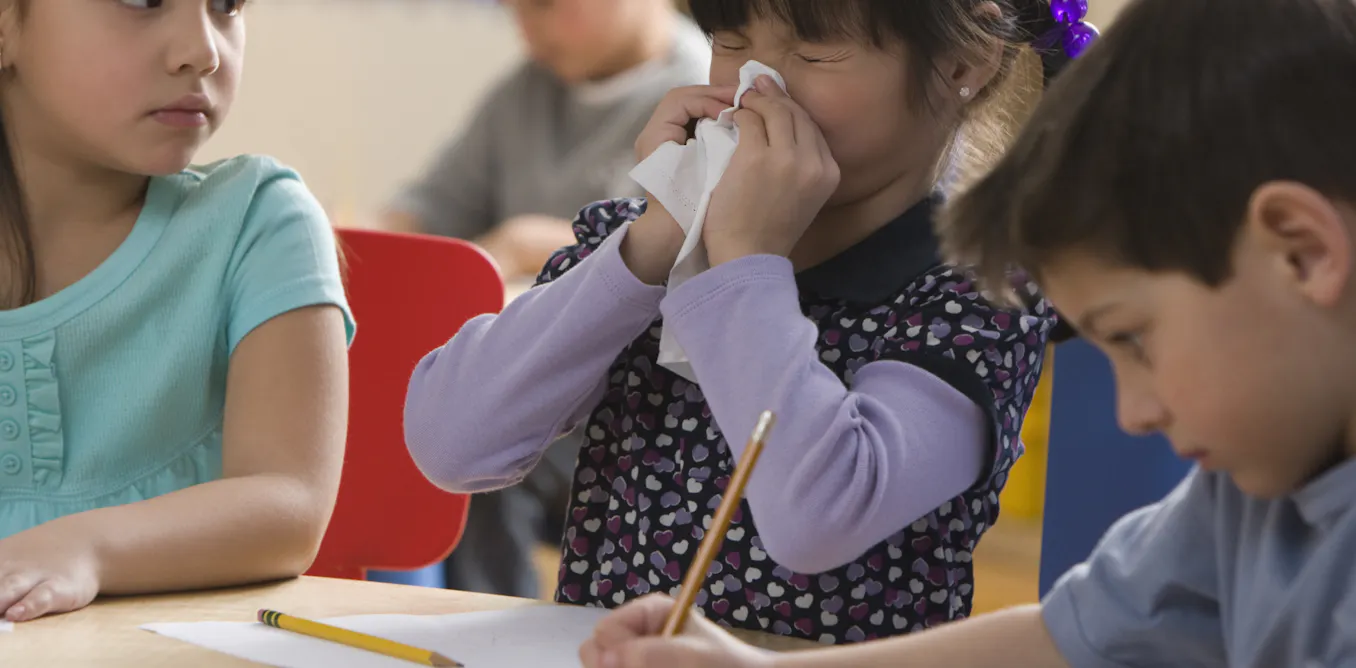
The pediatric nursing perspective emphasizes that symptom recognition serves a public health function beyond the individual child's care. Schools operate as congregate settings where vulnerable populations gather. Immunocompromised staff, pregnant teachers, older family members who pick up children, and medically fragile students all face heightened risks from COVID-19 exposure. This reality underpins current guidance that asks families to keep children with COVID-19 home.
Testing remains the only definitive method to distinguish COVID-19 from other viruses. At-home rapid tests provide quick answers and guide decisions about school attendance. Families without access to tests can contact their pediatrician for guidance or seek testing at community health clinics. PCR tests offer greater sensitivity if rapid tests return negative but symptoms persist.
The timing of testing matters. Rapid tests show highest accuracy during the first five to seven days of illness when viral load peaks. Testing too early or too late in an illness can produce false negatives. Families testing negative but experiencing prolonged symptoms may benefit from retesting before returning to school.
Pediatric nurses stress that keeping symptomatic children home protects more than just their own recovery. Sending a child to school while infectious potentially exposes classmates, teachers, and staff to illness. For immunocompromised children or those with chronic conditions, COVID-19 can progress to serious complications. Teachers and staff manage their own chronic illnesses and health risks.
Parents who cannot identify their child's specific illness should err on the side of caution. Keeping a febrile child home until fever resolves without medication for 24 hours aligns with most school absence policies and protects school communities. Many schools now allow students to return once symptoms improve, rather than requiring test-based confirmation of viral clearance.
The practical approach involves testing if possible, monitoring symptom duration and severity, and maintaining communication with schools about illness. When families lack testing capacity, keeping children home for the full duration of symptoms represents the safest approach for classmates and staff.