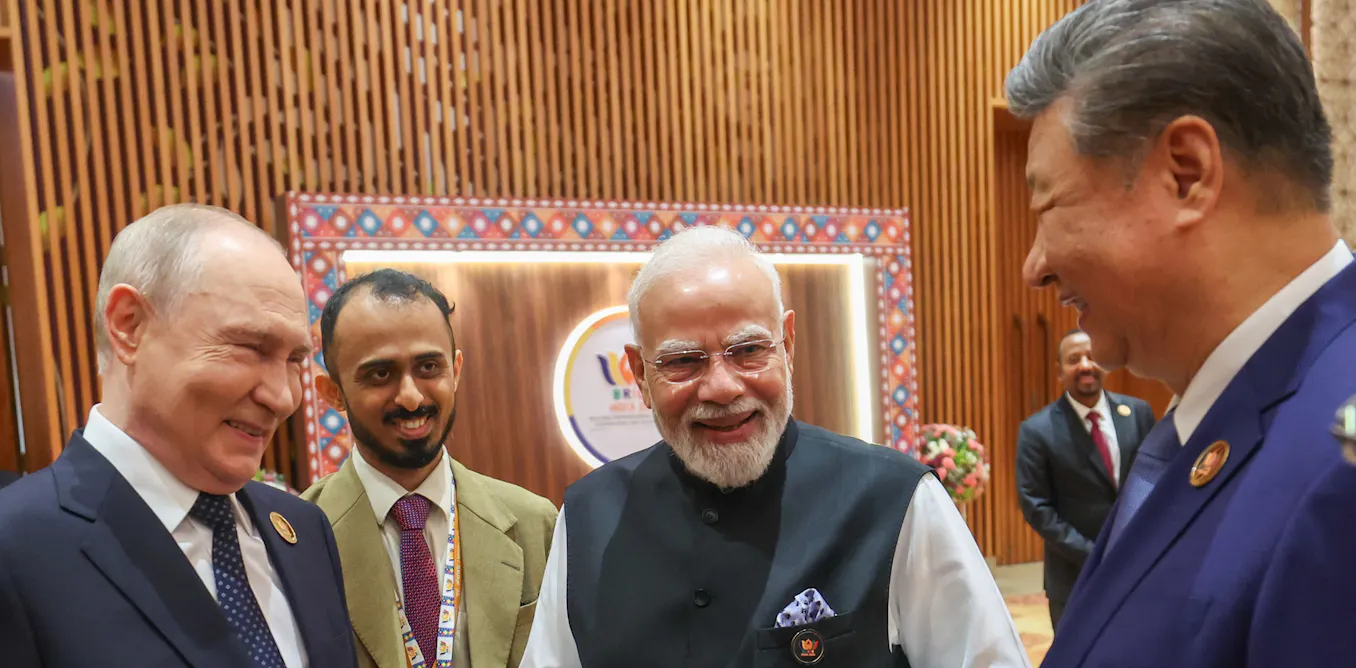
# Putin's Diplomacy Push Focuses on Economic Ties With Global South, Not Ukraine
Vladimir Putin's recent diplomatic offensive targeted nations in the Global South with a strategic pivot away from direct Ukraine war messaging. Instead of emphasizing military or political positions on the conflict, Putin redirected conversations toward energy deals, trade agreements, and transit infrastructure. This approach reflects Russia's effort to maintain economic leverage and political influence in regions that Moscow sees as economically critical.
The strategy reveals a calculated recalibration of Russia's international engagement. While the Ukraine war inevitably surfaced in discussions, Putin deliberately steered negotiations toward subjects with immediate economic returns. Energy exports, particularly oil and natural gas, formed a centerpiece of these conversations. Nations in Africa, Asia, and Latin America depend heavily on energy imports, giving Russia negotiating power independent of its military posture in Europe.
Trade partnerships emerged as another focus area. Russia faces Western sanctions that limit access to developed economies. Nations in the Global South, however, maintain fewer restrictions on Russian goods and services. By strengthening commercial relationships, Russia attempts to circumvent economic isolation while building political goodwill among countries that hold votes in the United Nations and regional organizations.
Transit routes represented the third pillar. Russia controls significant transportation corridors through its vast territory, connecting Asia with Europe and the Middle East. Agreements over logistics, shipping, and pipeline infrastructure create long-term dependencies that translate into political influence. Countries that rely on Russian transit have incentive to maintain diplomatic and economic relationships, regardless of Western pressure.
This diplomatic strategy addresses a fundamental Russian vulnerability. The Ukraine invasion triggered unprecedented Western sanctions targeting Russian finance, technology, and energy markets. The Global South, however, largely abstained from joining these sanctions regimes. Many nations refused to condemn Russia at the United Nations or supported positions framing the conflict as a regional dispute rather than an international violation.
Putin's approach also counters Western diplomatic narratives. The United States and European Union have invested significantly in relationships with Global South nations, offering development aid, technology transfer, and trade benefits to secure political alignment. Russia, with fewer resources, leverages geographic proximity, energy exports, and historical ties from the Soviet era to compete.
The focus on fuel, trade, and transit illustrates how major powers navigate geopolitical competition through economic structures. Rather than attempting to convince nations to support Russia's military actions directly, the Kremlin builds relationships that align countries' economic interests with Russian objectives. Nations receiving discounted energy or relying on Russian infrastructure face pressure to avoid policies that damage those relationships.
This diplomatic blitz signals Russia's recognition that its position in the Global South differs fundamentally from its relationship with Western nations. Europe and North America view the Ukraine conflict through a security and values framework. The Global South evaluates it through a development and economic lens. Putin's messaging adapted accordingly, emphasizing mutual benefit and commercial partnership over ideological alignment or military solidarity.
The strategy carries risks. Overreliance on energy exports as diplomatic currency leaves Russia vulnerable if alternative suppliers emerge or demand declines. Yet for Moscow, strengthening economic ties with the Global South provides both immediate political capital and long-term hedges against Western pressure campaigns.