# PISA 2025 and School Rankings: Are We Asking the Right Questions About Schooling?
The Program for International Student Assessment, or PISA, releases its 2025 results this month. These rankings will generate headlines, fuel policy debates, and shape how governments invest billions in education. But critics argue the test itself embodies a fundamental flaw: it measures what is easiest to measure rather than what matters most.
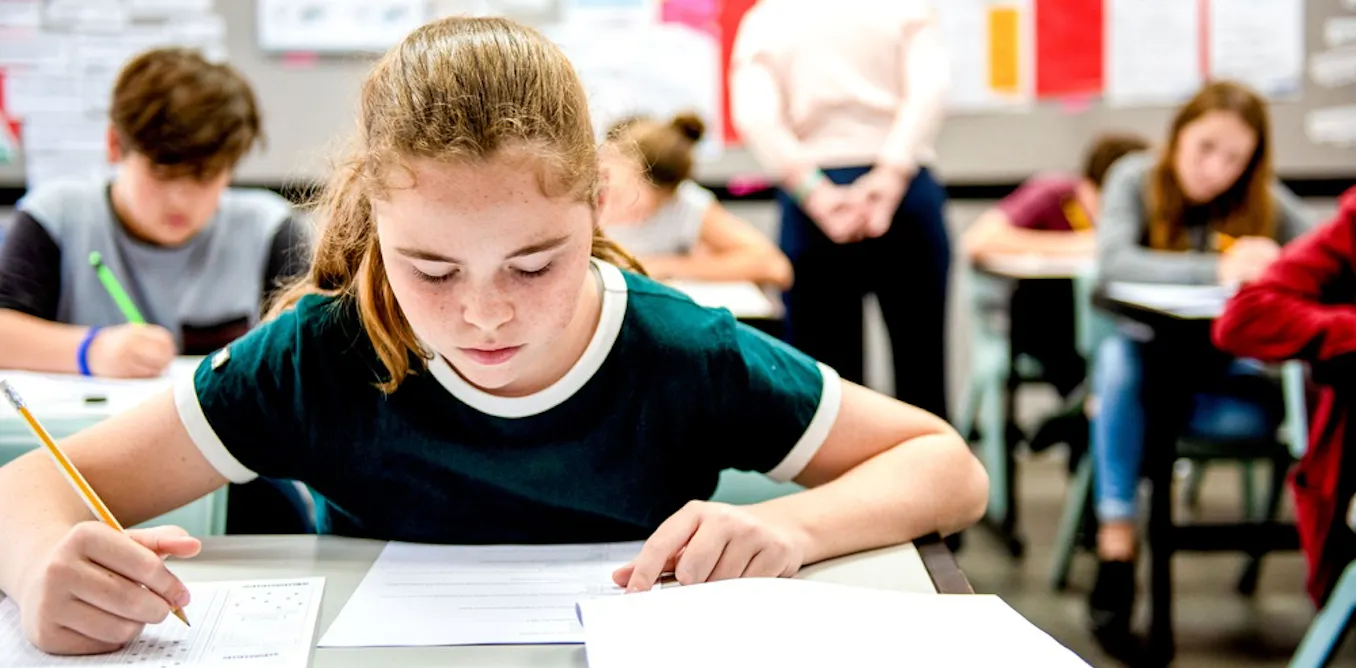
PISA, administered by the Organisation for Economic Co-operation and Development (OECD), tests 15-year-olds in reading, mathematics, and science across roughly 80 countries and regions. The results drive serious consequences. Nations that rank poorly face public pressure to overhaul curricula. Teachers face scrutiny. School funding shifts based on comparative performance. Yet the test reduces education to three numerical scores.
The real question, education experts now argue, extends far beyond test performance. The genuine measure of a successful education system is whether it transforms individual abilities into collective opportunities. That means asking: Does school prepare students to contribute meaningfully to society? Do graduates find pathways to meaningful work? Do systems serve all students equitably, or do they amplify existing inequalities?
PISA rankings tell us which students scored highest on a standardized test. They do not tell us whether schools foster creativity, critical thinking, or civic engagement. They do not capture whether education systems help disadvantaged students break cycles of poverty. They do not measure whether schools build resilient communities or develop students' capacity to solve local problems.
The fixation on rankings creates perverse incentives. Schools in high-stakes testing environments may narrow curricula, cutting arts, physical education, and social-emotional learning to squeeze in test preparation. Students experience increased anxiety. Teacher autonomy shrinks. Subjects that cannot be easily measured get devalued, even when they matter for human development.
This year's PISA results will likely spark discussions about which countries lead globally. But a more productive conversation would examine what each system does well and why. Finland's schools prioritize equity and teacher autonomy, not test prep. Singapore emphasizes collaborative problem-solving alongside academic rigor. Germany's dual education model connects classroom learning directly to careers. Each approach reflects different values and produces different outcomes, many unmeasured by PISA.
The 2025 results arrive at a moment when education globally faces real pressures. Pandemic learning loss, widening inequality, teacher shortages, and debates over curriculum content all demand attention. International comparisons can provide useful context. But when rankings become the primary lens through which policymakers view education, the system loses focus.
A better framework for evaluating schools would examine how well systems prepare students for active citizenship, economic participation, and personal fulfillment. It would track whether disadvantaged students gain access to quality teaching. It would measure whether graduates feel equipped to navigate an uncertain future.
PISA will remain influential. Its data matters. But schools should not optimize primarily for rankings. Education systems succeed when they develop each student's potential and create conditions where that potential benefits society. Those outcomes cannot fit into a single number.