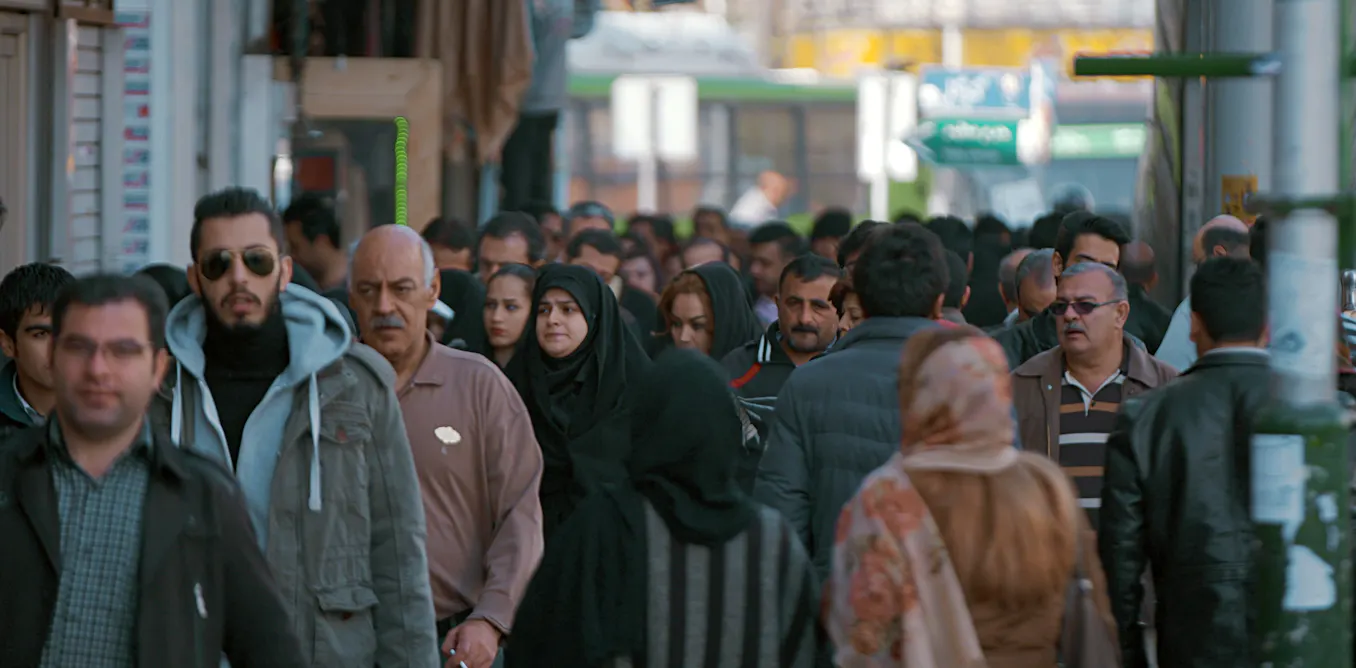
# How Iran Draws Citizens Into Political Surveillance
Iran operates one of the world's most pervasive citizen informant networks, embedding surveillance so deeply into daily life that the Persian language contains specific terms for the practice. This system extends into schools, universities, and workplaces, raising concerns about how authoritarian surveillance reshapes education and civic trust.
The informant apparatus in Iran functions through a combination of state incentives, social pressure, and ideological framing. Citizens report suspected disloyalty, blasphemy, or political dissent to authorities. The practice carries such cultural weight that dedicated Persian vocabulary exists to describe different types of informants and the act of reporting itself. This normalization of surveillance fundamentally changes how people interact in educational settings.
Schools serve as particular focal points for this system. Teachers monitor students for signs of political unreliability. Student councils often include informants tasked with reporting classroom discussions deemed inappropriate. University campuses experience even more intensive surveillance, with state security apparatus maintaining networks of student informants positioned throughout faculties. Campus Revolutionary Guards oversee political compliance, creating an environment where students learn to self-censor and distrust peers.
The consequences for education are measurable. Students avoid discussing politics, history, or social issues outside approved narratives. Classroom participation becomes constrained. Academic freedom suffers when scholars know their lectures face scrutiny and that colleagues or students may report research or teaching deemed ideologically suspect. Universities cannot function as spaces for open inquiry when surveillance undermines the basic trust required for genuine intellectual exchange.
The Iranian education system explicitly teaches political loyalty as part of the curriculum. Textbooks emphasize revolutionary ideology and state narratives. Teachers incorporate political indoctrination into lessons across subjects. This integration of surveillance and propaganda creates an educational environment designed to produce compliant citizens rather than critical thinkers.
International education organizations, including UNESCO, have documented concerns about academic freedom restrictions in Iran. Scholars face pressure to self-censor. Dissenting faculty members experience job loss, imprisonment, or exile. Students engaging in activism risk expulsion or arrest. These consequences extend beyond academics into career prospects and personal safety.
The informant system also affects what gets taught in curriculum development. Textbook authors, curriculum designers, and education officials operate within clear boundaries set by state ideology and security concerns. Content about human rights, democratic governance, or alternative political systems either disappears or receives framing that reinforces state legitimacy.
Educational exchanges and international collaborations face restrictions. Iranian universities maintain limited partnerships with foreign institutions, partly because the surveillance system discourages open academic relationships. This isolation reduces access to global research, diverse perspectives, and collaborative learning opportunities.
Teachers working within this system navigate constant tension between pedagogical responsibility and political compliance. Some internalize the system's logic and actively participate in surveillance. Others resist quietly through selective lesson emphasis or careful language choices. The institutional structure leaves little space for neutral positions.
Understanding Iran's informant culture matters for international education policy. Organizations supporting Iranian students, scholars, and educators must account for the surveillance environment when designing programs. Advocacy for academic freedom in Iran requires recognition that the problem runs deeper than individual restrictions. It involves a system woven into educational institutions themselves, where surveillance and education operate as reinforcing mechanisms of state control.