# Pentagon's Polygraph Campaign Against Leakers Faces Credibility Questions
The Department of Defense has launched a polygraph testing initiative to identify and stop information leaks. The effort reflects growing frustration with classified material reaching journalists and the public. However, security experts question whether the strategy will work.
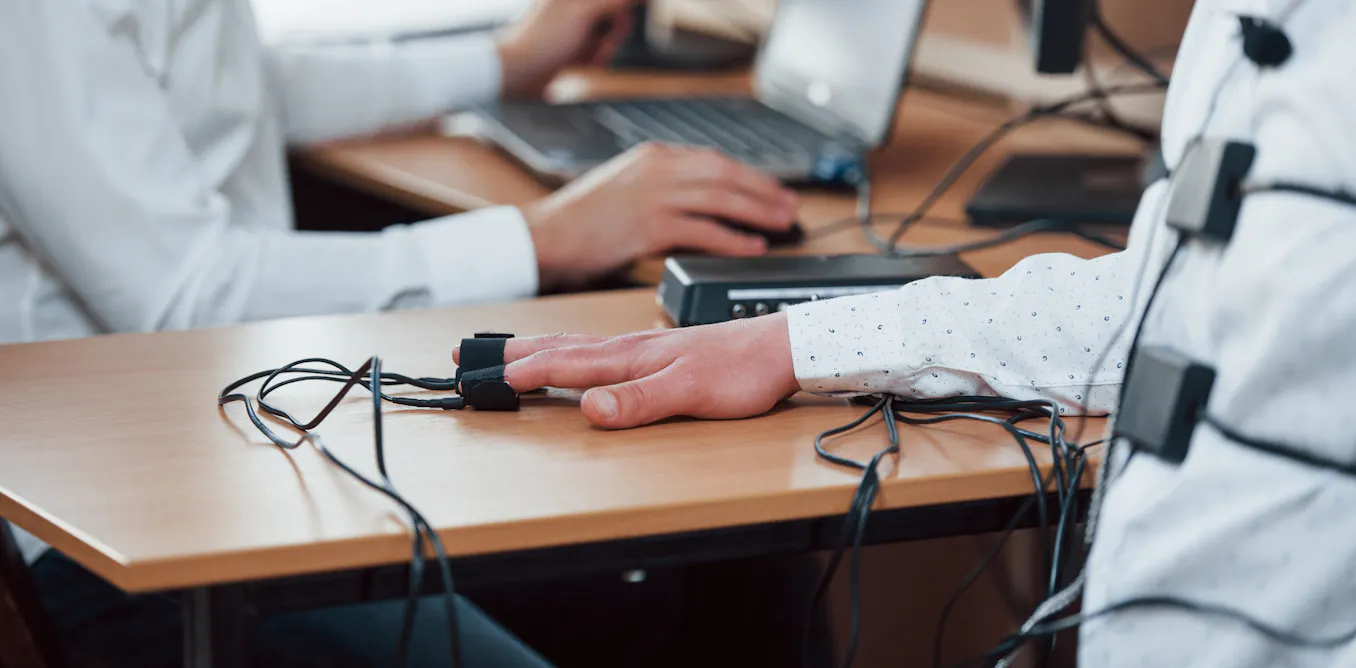
A CIA veteran, speaking to The Conversation, argues that polygraph testing functions more as theater than as a genuine security tool. The polygraph's core limitation remains scientific: the machines measure physiological responses like heart rate and sweating, not truthfulness. A nervous person can fail. A skilled liar can pass. No peer-reviewed evidence supports using polygraphs to detect deception with reliability beyond chance.
The Pentagon's approach assumes that mass testing will deter leakers or catch them in the act. That assumption overlooks the technology's actual track record. A 2003 National Academy of Sciences review found polygraphs perform little better than random guessing in real-world conditions. The American Psychological Association has similarly concluded that polygraph accuracy remains contested and context-dependent.
The practical cost compounds the scientific problem. Polygraph testing consumes investigative resources. Personnel conduct interviews, schedule sessions, analyze results, and pursue follow-up investigations. Each test represents time and money diverted from other security work. A counterintelligence team focused on polygraph administration cannot simultaneously pursue other threats, monitor insider behavior, or analyze suspicious patterns in classified material access.
Defense contractors and federal agencies already require polygraph examinations for some positions, particularly those involving top-secret clearance. Adding broader Pentagon-wide testing would expand that burden significantly. It also creates logistical strain. The polygraph examiner workforce cannot scale instantly to test thousands of employees. Backlogs form. Delays accumulate.
Leaks persist for reasons polygraphs cannot address. Some leakers act from conscience, believing the public should know information they view as illegal or immoral. Others seek money or attention. Some face coercion. Psychological pressure and ideological conviction drive behavior that no machine can predict from baseline readings. A person who has already decided to leak will simply prepare mentally for the test, controlling their breathing and managing visible anxiety.
The CIA veteran emphasizes that leak prevention requires different tools. Access controls limit which personnel can view which documents. Auditing tracks who downloads or prints classified material. Background investigations uncover financial stress or foreign contacts that might create vulnerability. Counterintelligence interviews build rapport and assess trustworthiness qualitatively. These methods address motivation and opportunity in ways polygraphs never will.
The Pentagon's polygraph campaign also risks damaging morale among employees who view the tests as invasive and ineffective. Staff already reluctant about security screening may become more so. Trust between management and workforce can erode when workers see resources devoted to demonstrably unreliable tools rather than genuine security improvements.
National security requires real leaks to be stopped. The question is which approach works. Evidence suggests targeted, evidence-based investigation outperforms mass screening with flawed technology. The Pentagon faces a choice between theater that appears tough but delivers little, or investment in methods proven to identify actual security threats. The leaks will likely continue until that choice shifts.