# The NFL's Australian Debut Signals Global Expansion, But Long-Term Success Remains Uncertain
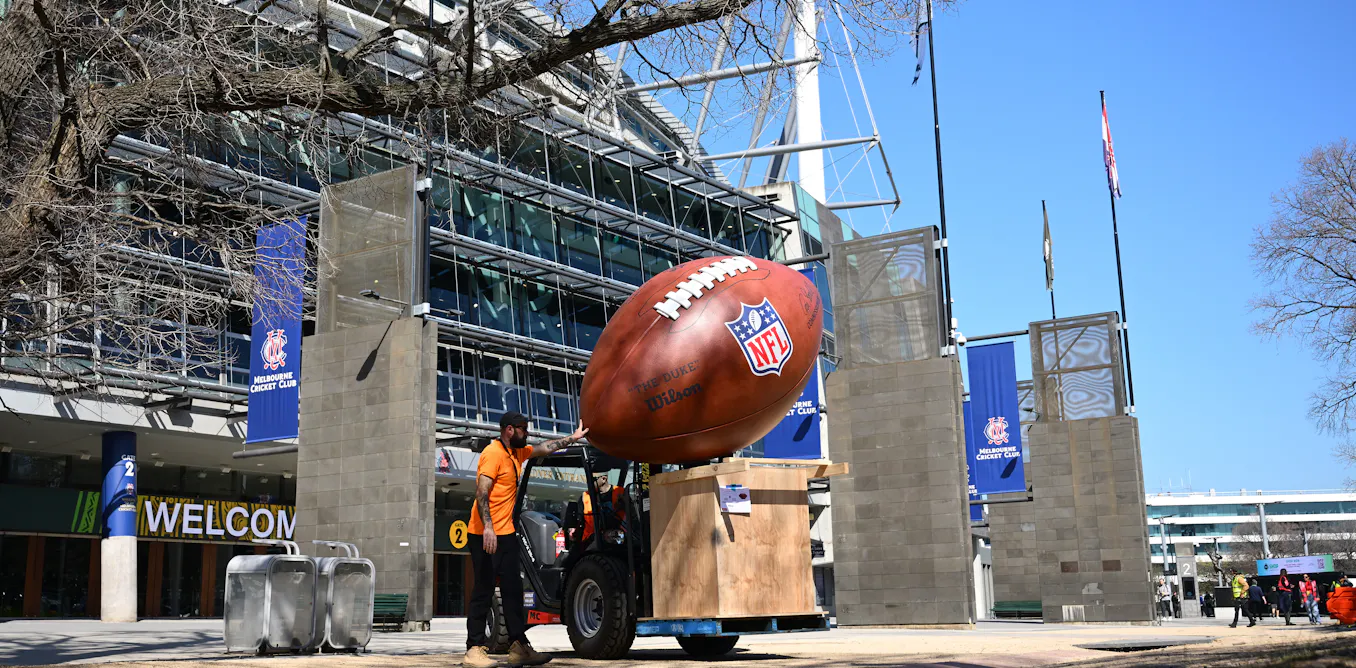
The National Football League sold out its inaugural Australia game in 30 minutes, a striking confirmation of demand for American football in a country where rugby and Australian Rules Football dominate the sports landscape. Yet the speed of ticket sales masks deeper questions about whether the NFL can establish lasting popularity in a market where American football has virtually no grassroots infrastructure.
The sellout reflects several converging factors. Australia has a population of 26 million with significant disposable income and a well-documented appetite for international sports experiences. The country hosted the Summer Olympics in 2000, regularly draws tennis fans to the Australian Open, and attracts American sports enthusiasts through existing media coverage. Geographic proximity to Asia makes Australia a logical hub for the NFL's expansion strategy into the Indo-Pacific region.
The league's decision to play in Australia for the first time represents a calculated shift in how the NFL approaches international growth. After decades of hosting games primarily in Mexico City and London, the league is targeting markets where American football has minimal existing infrastructure but strong media consumption habits and purchasing power. Australia fits this profile perfectly.
However, the 30-minute sellout tells only part of the story. Novelty drives initial attendance at international games. The real test comes afterward: will casual Australian fans who attended out of curiosity develop sustained interest in the NFL? Do they understand the sport's rules and pace? Will they invest time in regular season viewing, which requires watching games at inconvenient times due to time zone differences?
These questions matter because the NFL's expansion strategy depends on converting one-time attendees into ongoing viewers and consumers. The league generates revenue through television rights, merchandise sales, and streaming subscriptions. A single sellout game generates immediate cash but contributes little to long-term market penetration unless it creates pipeline effects that drive consumption of the broader product.
Australia presents specific challenges. The Australian Sports Commission and local media outlets have documented limited youth participation in American football. Schools do not field football teams. The Australian Football League commands enormous loyalty and generates deep emotional investment across generations. For the NFL to succeed, it must compete against entrenched sporting traditions and cultural preferences, not simply fill a stadium once.
The league has experience managing this challenge. The NFL's presence in the United Kingdom has grown substantially over two decades, with multiple London games now regular features and the Jacksonville Jaguars maintaining a semi-permanent presence there. Yet even in Britain, which shares language and cultural ties to the United States, American football remains a niche sport outside major metropolitan areas.
The NFL's Australia strategy likely focuses on major cities like Sydney and Melbourne where international sports draw viewers. The league will monitor television ratings, merchandise sales, and fan engagement metrics closely. Success would justify additional games and further expansion into Asia-Pacific markets.
The 30-minute sellout represents opportunity, not certainty. The NFL has the capital and marketing machinery to introduce American football to Australian audiences. Whether audiences retain interest after the novelty fades depends on factors the league cannot fully control: competing entertainment options, time zone friction, and the deep cultural pull of sports already woven into Australian identity.