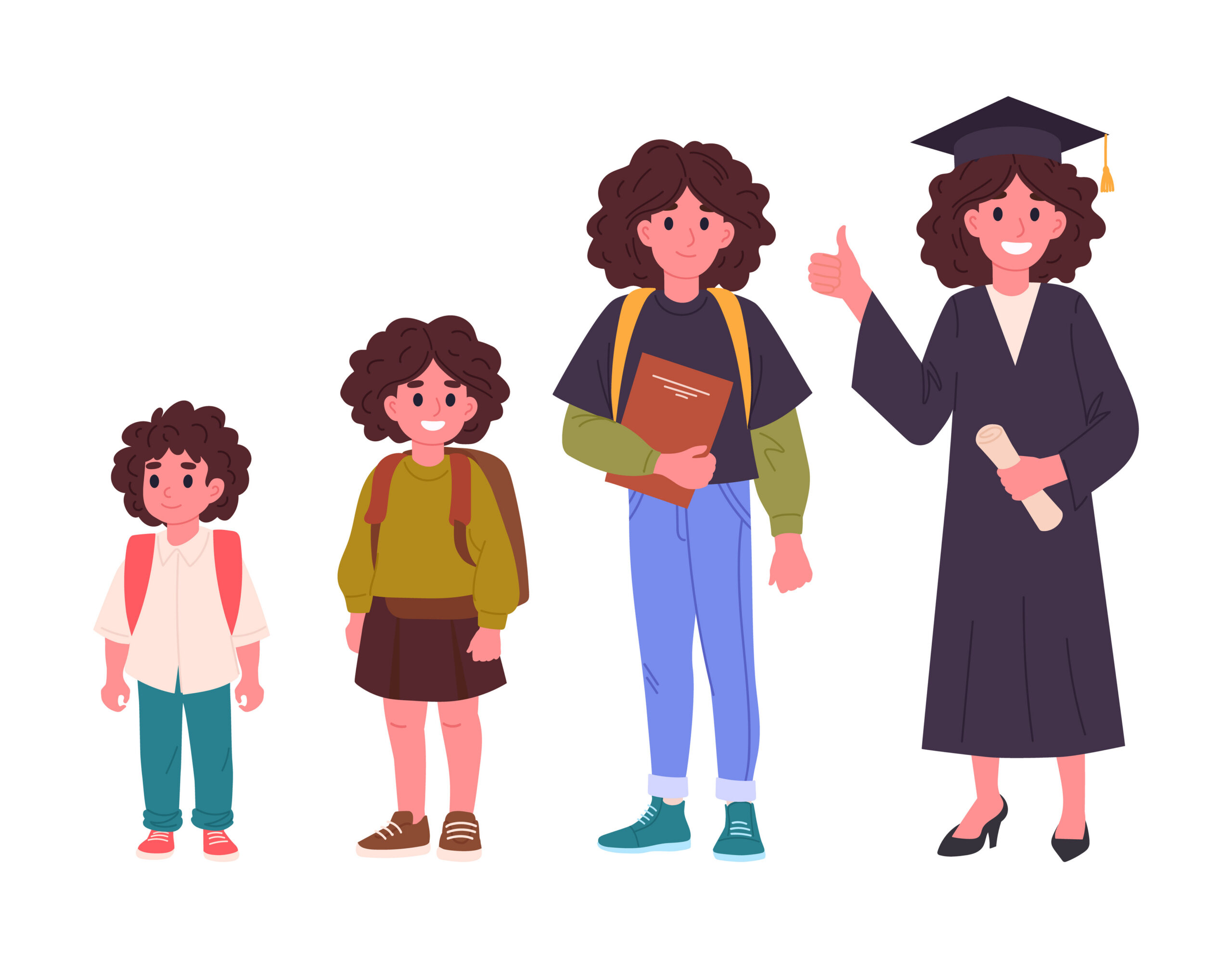
# Teaching Strategies That Work Across K-12 and Higher Education
An educator who transitioned from teaching third grade to instructing college undergraduates has identified teaching practices that remain effective regardless of student age or institutional setting.
The instructor managed a classroom of 30 third graders who arrived with drawings, outdoor discoveries, and enthusiasm to share personal stories and gaming experiences. Today, that same educator teaches 19 undergraduate students ranging from freshmen to seniors preparing for graduation.
This shift reveals a pattern often overlooked in education: the fundamental practices that engage elementary students often translate directly to college classrooms. Both settings require instructors to create psychological safety, establish clear expectations, provide meaningful feedback, and connect academic content to students' lives.
Effective K-12 teachers typically excel at a few core skills. They build community quickly. They break complex tasks into manageable steps. They celebrate progress, not just final products. They ask questions that invite thinking rather than recitation. They remember that students learn better when they feel seen and valued as individuals.
These approaches work in college too, though they operate differently in execution. A third grader needs a classroom where mistakes are normal and welcomed. A college freshman benefits equally from that same permission to struggle without shame. An elementary teacher uses varied materials and movement to sustain attention. A college instructor can achieve similar results through active learning strategies, peer discussion, and applications that matter to student interests.
The transition from K-12 to higher education often highlights a missed opportunity. Many college courses abandon practices proven effective in earlier grades. Lectures dominate. Passive listening replaces active engagement. Feedback becomes scarce. The assumption that older students need only content delivery ignores what decades of learning science demonstrate.
Research on student retention and achievement supports this cross-level approach. Students thrive when instructors combine clear structure with autonomy. This applies equally to eight-year-olds and eighteen-year-olds. Both need to understand why they're learning something. Both perform better with regular, specific feedback. Both engage more deeply when instructors acknowledge their identities and experiences.
The educator's journey from elementary to college teaching offers practical validation that effective instruction isn't age-specific. It's student-specific. Responsive teaching, community building, scaffolded learning, and authentic purpose work everywhere.
Higher education institutions increasingly recognize this. Some colleges now train faculty in cognitive science and active learning techniques. Others look to K-12 research on student motivation and belonging. The best college teachers often bring habits from earlier grades: they arrive early to chat with students, they use students' names, they celebrate effort alongside achievement, they design assignments that matter beyond the grade.
This convergence benefits students. A college student who experienced elementary classrooms built on trust and engagement arrives at university with clearer expectations and greater confidence. Similarly, college instructors who adopt K-12 best practices create environments where learning deepens.
The specific number of students matters less than the relationship between instructor and learner. Whether managing 30 third graders or 19 undergraduates, effective educators use consistent principles. They know their students. They make thinking visible. They build on what learners already know. They persist when initial approaches don't land.
This educator's dual experience demonstrates that the best teaching transcends institutional and age boundaries. Excellence in classrooms happens when instructors apply what works, regardless of which grade level or diploma is involved.