# One Nation's Super Withdrawal Plan Gains Credibility from Policy Expert
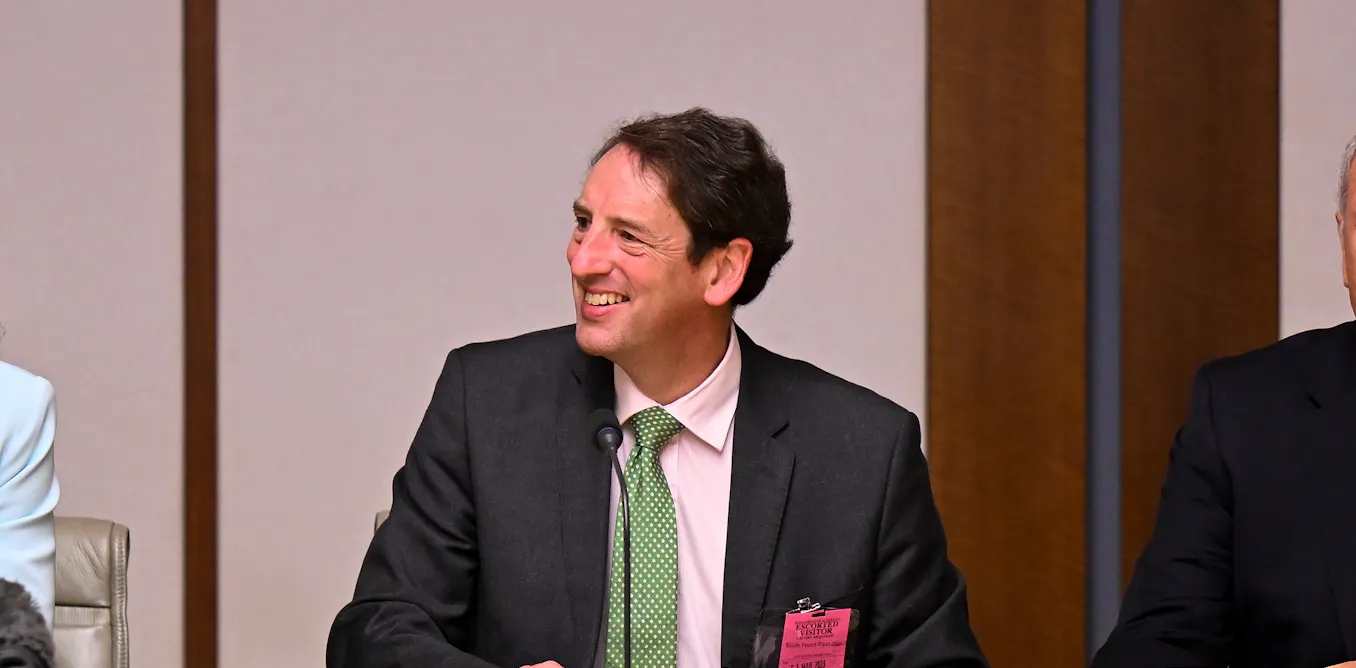
John Daley, former chief of the Grattan Institute, has endorsed part of One Nation's proposal to loosen superannuation withdrawal rules for Australians struggling with housing costs and daily living expenses.
One Nation's policy would permit renters and mortgage holders to access portions of their superannuation savings before retirement age. Daley's backing lends credibility to a plan that sits outside mainstream political consensus, suggesting the core concept contains merit even if implementation details require refinement.
The proposal addresses a real tension in Australian household finances. Renters and homeowners with mortgages often carry high housing costs while accumulating superannuation balances they cannot touch until age 55 or 60, depending on birth year. One Nation argues this creates unnecessary hardship for working Australians who must choose between covering immediate bills and preserving retirement savings.
Daley's endorsement distinguishes this debate from purely partisan positioning. The Grattan Institute, an independent policy research organisation, has long shaped Australian education and economic policy discussion through evidence-based analysis rather than political alignment. Daley's agreement with "the core" of the proposal suggests specific elements withstand scrutiny, though he may dispute other aspects or express concerns about broader implementation.
The superannuation system itself remains contested policy terrain. Australia compels employers to contribute a set percentage of employee wages into retirement accounts, with current contributions at 11.5% of ordinary time earnings, scheduled to rise to 12% in 2025. This mandatory system prioritizes long-term retirement security but reduces take-home pay immediately and prevents workers from accessing funds during financial stress.
Previous governments have tested emergency access provisions. During the COVID-19 pandemic, the federal government allowed temporary early withdrawal of superannuation for workers experiencing hardship. Those provisions drew mixed assessments. Supporters noted the relief provided during acute crisis; critics warned that depleting retirement savings now creates poverty risks later, particularly for younger workers with decades until retirement.
Housing affordability remains acute across Australia. Rental vacancy rates sit near historic lows in major cities, pushing rents upward sharply. First-time homebuyers face deposits that consume years of savings. For households already stretching budgets across housing, allowing super access could reduce immediate desperation but at genuine cost to retirement living standards.
Daley's partial endorsement suggests the debate has moved beyond simple rejection. Policy experts now engage seriously with how super rules might flex without abandoning the system's core retirement protection function. The question becomes not whether any access should exist, but under what conditions, with what safeguards, and at what cost to individual retirement security.
One Nation's proposal requires scrutiny on several fronts. Modelling should project retirement income impacts across different withdrawal scenarios. Policy design must prevent repeated access that leaves workers perpetually short at retirement. Income thresholds might distinguish households in genuine hardship from those with other resources. Employer impacts deserve analysis, particularly if workers reduce super contributions to fund current spending.
The conversation reflects deeper questions about balancing present need against future security. As housing costs and living expenses consume larger shares of household income, pressure builds to unlock locked savings. Daley's cautious endorsement signals that serious policy consideration of super flexibility deserves attention, even as advocates remain wary of unintended consequences.