# Australia's Beetaloo Basin Gas Project Begins Production Amid Climate Concerns
Gas production has started at Australia's Beetaloo Basin, a sprawling unconventional gas development in the Northern Territory that environmentalists and climate scientists argue will accelerate greenhouse gas emissions and undermine global climate commitments.
The Beetaloo Basin represents one of Australia's largest untapped gas reserves. The project, operated by major energy companies, targets shale and tight gas deposits across a region roughly the size of England. Initial gas flows mark a critical moment in Australia's energy policy, one that divides policymakers, industry, and environmental groups.
Climate advocates oppose the project based on a straightforward calculation. Extracting and burning Beetaloo gas generates significant carbon emissions. Those emissions occur both during production and when the gas reaches end users, typically in Asia-Pacific markets where it fuels power generation and industrial processes. Climate modelers warn that scaling up this production locks in decades of fossil fuel use precisely when the world needs rapid emission reductions to meet Paris Agreement targets.
The economic argument runs differently. Energy companies and some government officials contend that Beetaloo gas provides an economically viable energy source for regional development and export revenue. Australia has positioned itself as a liquefied natural gas (LNG) supplier to regional partners. Beetaloo production supports that strategy and creates jobs in remote Northern Territory communities where employment options remain limited.
The timing complicates matters. Australia committed to net-zero emissions by 2050 under the Paris Agreement. The Beetaloo project approval occurred under previous governments, but the current Australian administration has continued to support its development while also pursuing renewable energy targets. This dual approach, critics argue, represents inconsistent climate policy.
International context matters here. Global gas demand remains elevated, and some energy analysts argue that Australian gas can displace higher-emission coal in certain markets. This "bridge fuel" argument assumes gas reduces near-term emissions while renewable infrastructure expands. However, climate scientists dispute whether this transition happens fast enough or whether gas production actually delays renewable deployment by locking in cheaper fossil fuel supply.
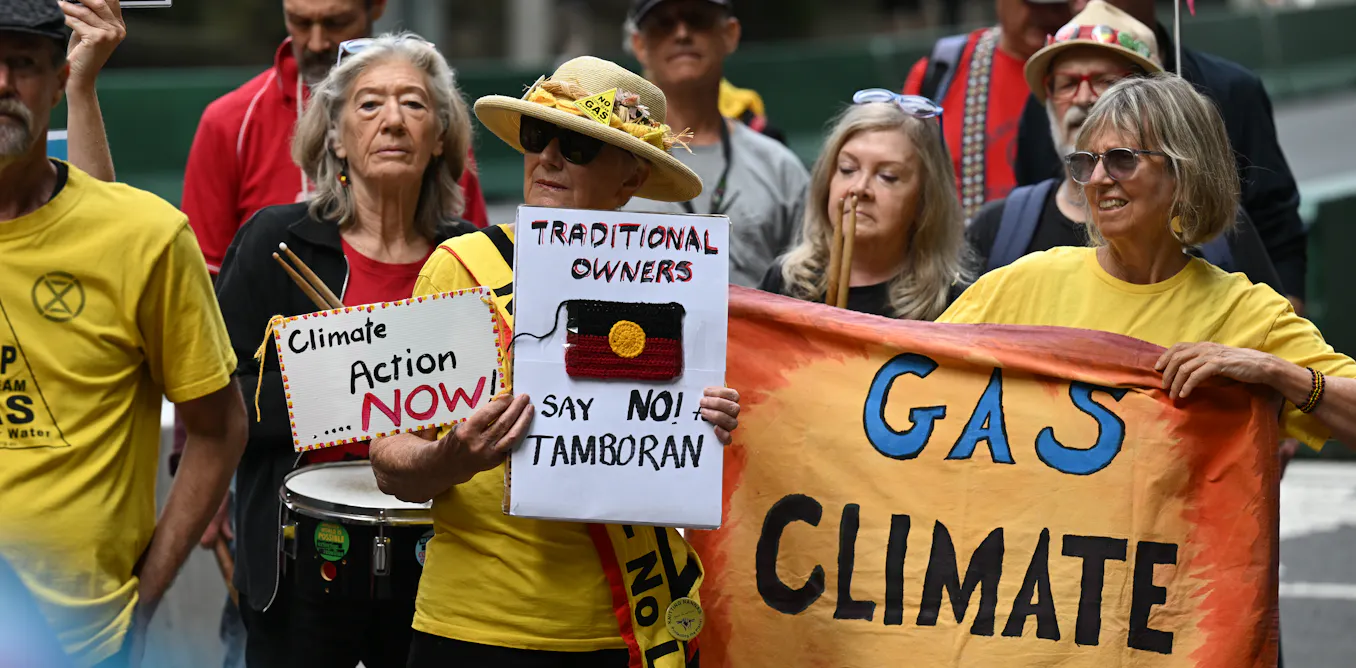
The Beetaloo project also raises questions about Indigenous land rights and environmental stewardship. The basin sits on traditional Aboriginal lands, and concerns persist about water contamination from hydraulic fracturing operations and impacts on ecosystems in one of Australia's most remote regions.
For students and educators following energy policy, the Beetaloo case illustrates tensions between economic development, energy security, and climate action. It demonstrates how fossil fuel projects approved years ago continue delivering emissions well into the 2020s, complicating efforts to meet climate pledges. It also shows how resource-rich nations navigate the transition away from hydrocarbon exports when those exports fund jobs and government revenue in specific regions.
As Beetaloo production ramps up, Australia's ability to meet its climate targets will face scrutiny. Environmental organizations have called for accelerated renewable energy deployment and workforce transition support in regions dependent on fossil fuel extraction. The project's actual emissions trajectory will likely feature in future climate policy debates across Australia and among its trading partners.