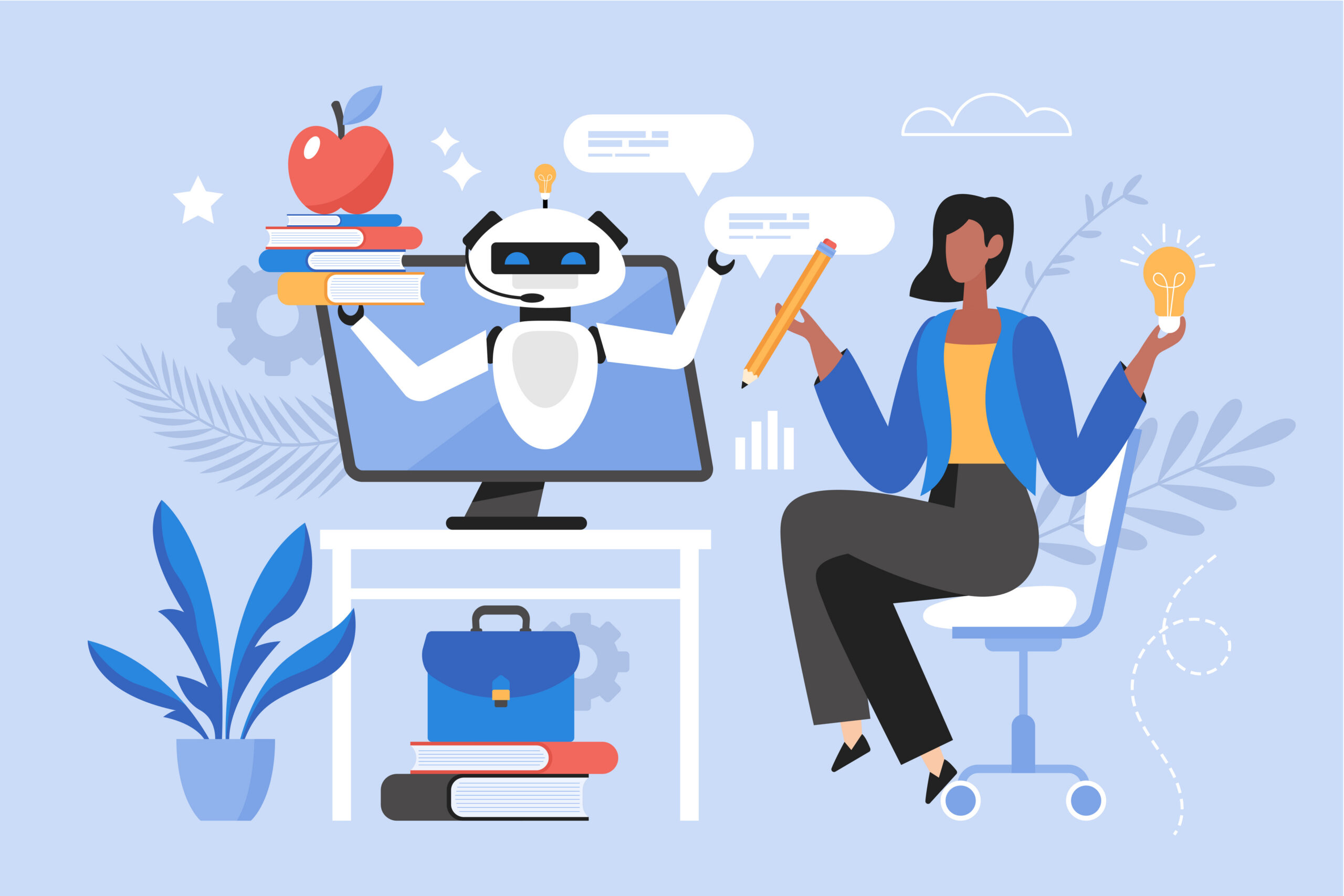
# AI as Teaching Partner: How Universities Use Machine Learning for Student Feedback and Learning
Colleges and universities are deploying artificial intelligence systems not to replace instructors but to expand formative assessment and deepen student reflection, according to research published through Faculty Focus. The approach frames AI as an adaptive pedagogical partner that delivers personalized feedback and supports metacognitive development—how students think about their own thinking.
The distinction matters. Rather than automating grading or reducing instructor involvement, this model uses AI to handle high-volume feedback loops that human instructors cannot sustain alone. In large lecture sections, for example, students often submit work and wait days or weeks for meaningful response. AI systems can provide immediate, targeted comments that prompt reflection on reasoning and approach, freeing faculty to spend synchronous time on complex conceptual work.
The research demonstrates concrete applications. AI tutoring systems analyze student responses to identify misconceptions in real time. When a student submits a chemistry problem or essay argument, the system flags specific gaps in reasoning rather than simply marking answers wrong. It then poses follow-up questions designed to guide self-correction. This cycle of attempt, feedback, and reflection activates learning mechanisms that passive comment-reading does not.
Formative assessment represents the pedagogical sweet spot where AI adds clearest value. Formative work (low-stakes quizzes, drafts, problem sets) drives learning when students receive rapid, specific feedback. Summative assessment (final exams, papers counting toward grades) remains the instructor's domain. The research shows AI handles formative load efficiently, allowing faculty to design more thoughtful summative measures and spend office hours on deeper conversations.
Individual feedback at scale remains a longstanding higher education problem. A professor teaching 200 students cannot provide 200 unique written responses per assignment. AI does not solve this perfectly but creates a viable middle path: every student receives detailed feedback from an AI system trained on effective teaching patterns, and instructors focus their limited time strategically. Students in one illustrative example reported that immediate AI feedback helped them understand where their reasoning broke down before they moved to the next problem—a feedback timing advantage that paper-based systems cannot match.
The findings acknowledge educator concerns. Faculty worry about cheating, over-reliance on AI outputs, and systems that reinforce algorithmic bias or superficial learning. The research addresses these not through dismissal but through deliberate instructional design. When AI feedback prompts metacognition rather than providing answers, and when students know they will defend their thinking to humans, accountability structures remain intact.
The research comes amid broader institutional adoption of AI in higher education. Universities including Georgia Tech, Carnegie Mellon, and others have integrated AI tutoring into large enrollment courses. Some systems now support peer review processes, where AI helps students evaluate each other's work using rubrics instructors define. Others scaffold writing through conversational feedback without writing the essay itself.
Implementation challenges persist. Instructors need training to prompt AI systems effectively and to interpret student data these systems generate. Institutions must establish clear policies about when AI feedback is disclosed to students and how algorithmic limitations are explained. Budget constraints mean smaller institutions lag adoption despite potential benefits for under-resourced departments.
The case for AI in higher education rests not on replacing teaching but on amplifying feedback capacity and personalizing learning pathways. When designed intentionally around formative assessment and reflection, these systems address real pedagogical gaps that have constrained effective practice for decades.