# Africa Receives Quarter of Climate Finance It Needs While Facing Higher Borrowing Costs
Africa receives only 23% of the climate finance required to meet its adaptation and mitigation targets, according to research on the continent's climate funding gap. The shortfall forces African nations to pursue climate investments through expensive debt channels, compounding the financial burden of addressing environmental crises.
The World Bank and other multilateral development institutions identified this disparity in recent climate finance assessments. African countries need approximately $50 billion annually for climate-related projects by 2030, yet current climate finance flows fall far short. More critically, the money that does arrive often comes with strings attached. African nations pay higher interest rates and face stricter conditions than wealthier borrowers when accessing climate finance through commercial markets.
This funding structure creates a perverse outcome. Countries most vulnerable to climate impacts, and least responsible for historical emissions, bear the heaviest financial burden. East African droughts, West African flooding, and infrastructure vulnerability across the continent require urgent capital investment, yet the existing climate finance architecture treats these needs as commercial loans rather than development imperatives.
The argument for integrating climate finance with development funding has gained traction among African policymakers and economists. Climate adaptation, they contend, functions as essential development infrastructure. A hydroelectric dam that generates clean energy while providing irrigation for crops serves both climate mitigation and agricultural development. A coastal protection barrier that prevents storm surge damage protects fishing communities and ports that support entire regional economies. Separating these investments into discrete climate and development buckets obscures their interconnected purpose.
Current mechanisms fragment financing across the Green Climate Fund, the African Development Bank, bilateral donors, and commercial lenders. Each channel imposes different reporting requirements, approval timelines, and interest rates. African governments spend significant administrative resources navigating these separate pathways, delaying projects and increasing transaction costs.
The European Union and several development finance institutions have begun pilot programs integrating climate and development finance, blending concessional loans with grants in ways that lower overall borrowing costs. This model reduces the effective interest rate African governments pay while accelerating project timelines.
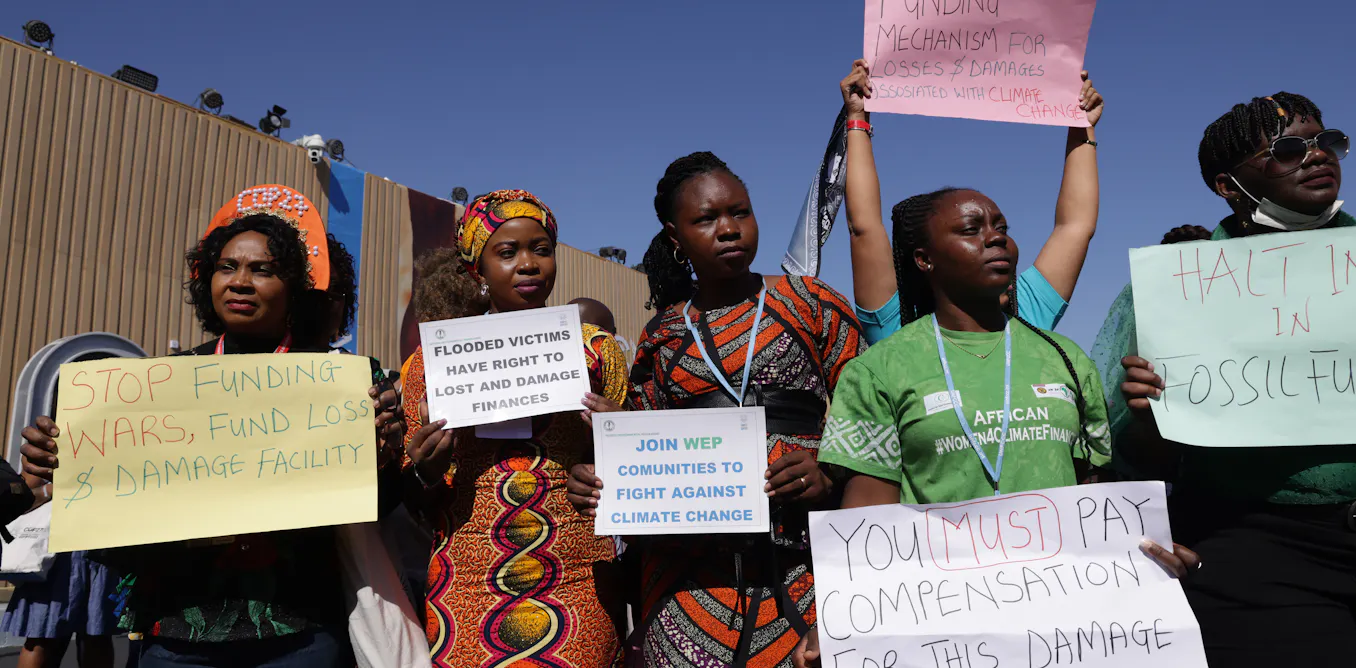
Several African nations have begun advocating for debt relief linked to climate investments. Kenya and other East African countries argue that reframing climate finance as reparations rather than loans would better reflect climate justice principles and accelerate continental adaptation efforts.
The International Monetary Fund estimates that Africa requires $200 billion annually across all development sectors by 2030. Climate finance, currently scattered across multiple funding streams, represents a portion of this total. Consolidating these streams and treating climate adaptation as a development priority rather than a separately financed add-on could unlock additional resources and reduce the cost of capital for African countries.
Without structural reform to how climate finance reaches Africa, the continent faces a choice between forgoing climate investments and accumulating unsustainable debt. Neither option serves African development priorities or global climate goals.