# Zika-Carrying Mosquito Found Breeding in London, but Human Transmission Risk Remains Low
A mosquito species capable of transmitting Zika virus has been found breeding in London for the first time, according to recent findings. The discovery marks a shift in Britain's public health landscape, though experts stress that active Zika transmission among humans in the capital remains extremely unlikely at present.
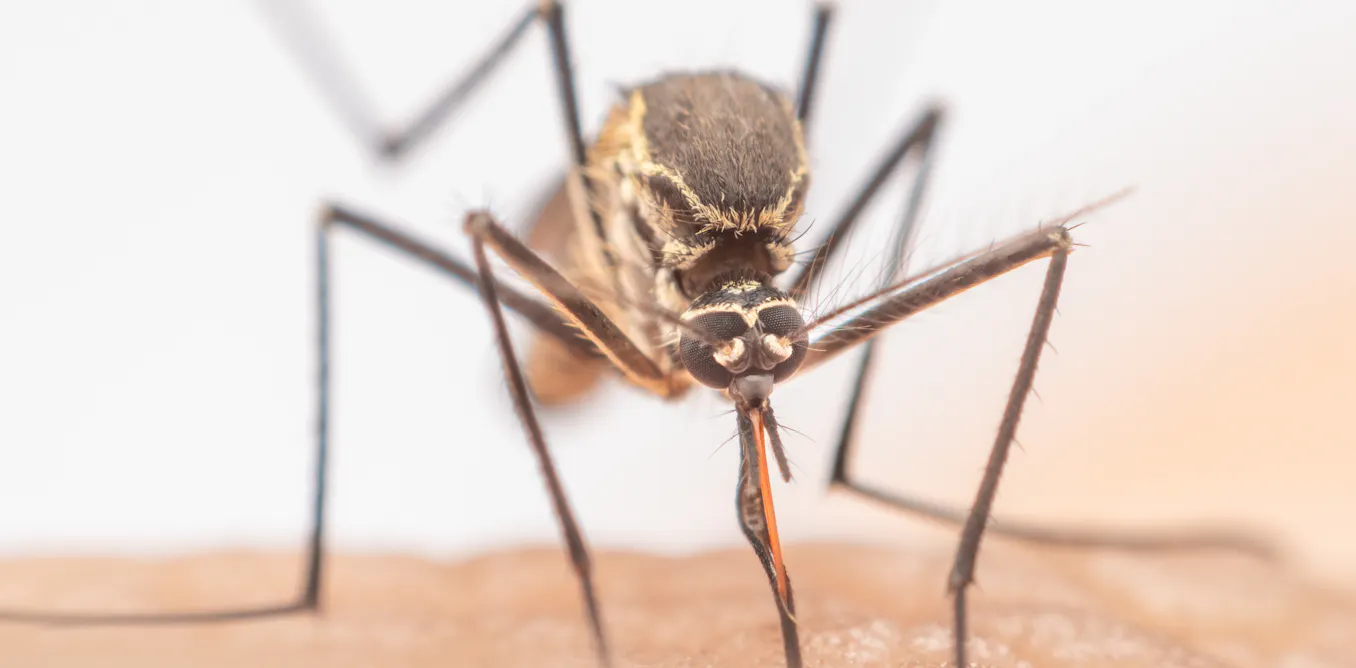
The mosquito in question is Aedes albopictus, commonly known as the Asian tiger mosquito. Researchers identified breeding populations in the city, suggesting the species has established itself in London's urban environment. This represents a northward range expansion for a mosquito historically confined to warmer regions of Europe and beyond.
The finding arrives as Britain experiences climate shifts that create conditions favorable for heat-loving insects. Warmer winters and longer summer seasons extend the breeding season and geographic range for species previously unable to survive in the UK year-round. Public health authorities have monitored this trend for years, recognizing that climate change could eventually reshape which diseases pose transmission risks to British residents.
Aedes albopictus carries several viruses, including Zika, dengue fever, and chikungunya. The mosquito thrives in urban environments, breeding in standing water found in flower pots, plant saucers, discarded containers, and other small accumulations of liquid. Its daytime biting behavior differs from native British mosquito species, increasing potential contact with humans during waking hours.
However, the presence of the mosquito does not automatically translate into disease spread. Several factors protect London residents from immediate risk. First, the local population carries no Zika virus currently. Second, disease transmission requires an infected person to provide a blood meal to the mosquito, which then transmits the virus to another human through subsequent bites. Third, British public health systems can detect and respond to cases quickly, interrupting transmission chains before they develop.
The discovery does highlight vulnerabilities in Britain's defenses against mosquito-borne illness. As climate change continues, established populations of disease-carrying mosquitoes could eventually support sustained transmission of tropical and subtropical viruses. This scenario remains years or decades away, but the London breeding populations signal the early stages of this transition.
Public health officials recommend several preventive measures. Residents can reduce mosquito breeding sites by emptying standing water from gardens and outdoor spaces weekly. During peak mosquito activity, particularly in summer months, using insect repellent and wearing protective clothing provides personal defense. Healthcare providers should maintain awareness of mosquito-borne diseases, especially when evaluating patients with travel history to endemic regions.
The finding underscores the value of mosquito surveillance programs. Britain's Health Security Agency and local environmental health teams conduct ongoing monitoring to track invasive mosquito species and assess public health implications. Early detection enables targeted control efforts and informs climate adaptation planning.
Scientists expect Aedes albopictus populations to expand further northward across Europe as temperatures rise. The London discovery represents an early warning signal. Current risk to Londoners remains minimal, but long-term preparedness requires understanding how the changing climate reshapes insect vectors and disease transmission geography.