New York City's Department of Education has implemented what officials describe as the nation's broadest student-facing artificial intelligence restriction. Schools in the district, which serves over 1.1 million students across five boroughs, now prohibit generative AI use by students from kindergarten through eighth grade in classrooms and on school networks.
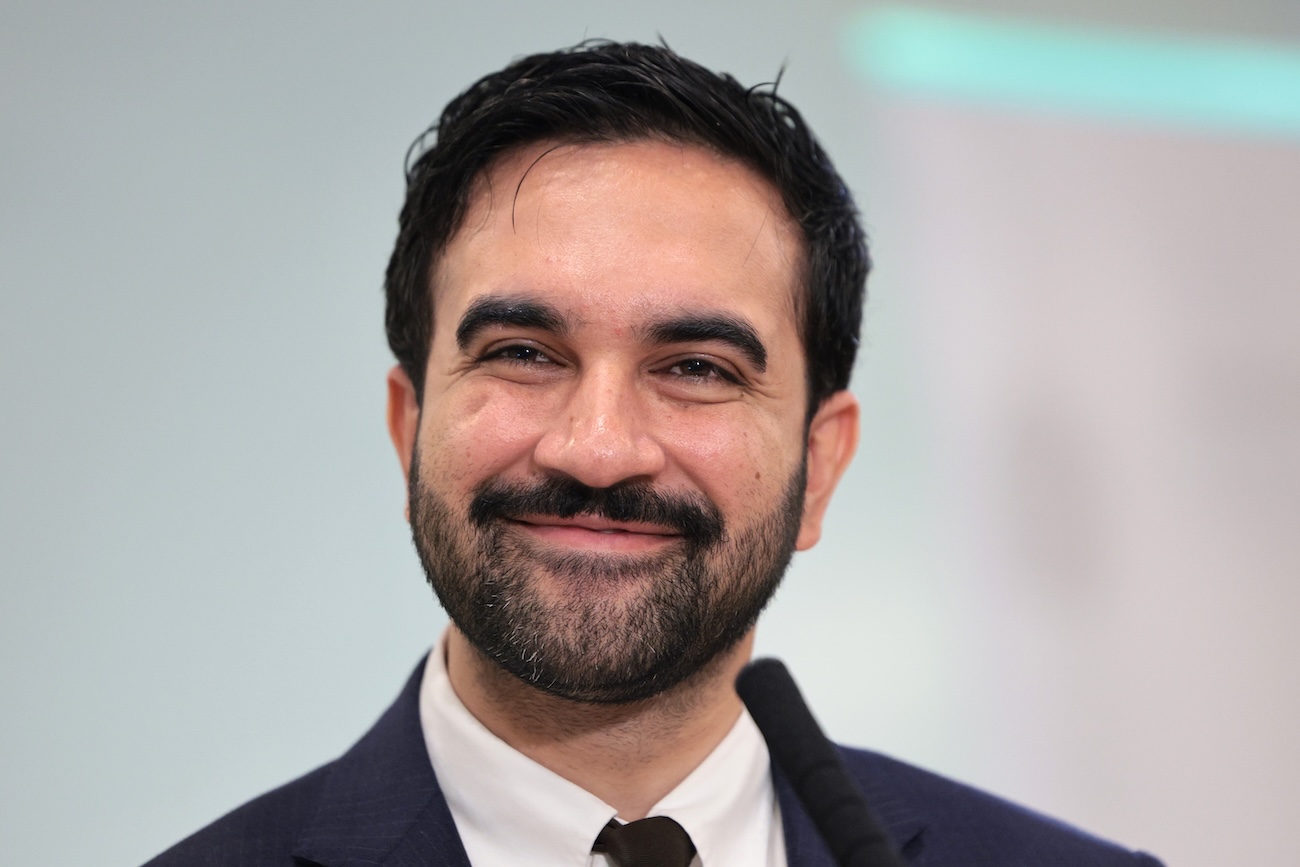
The policy, overseen by Schools Chancellor David C. Mamdani, blocks access to tools like ChatGPT, Google Gemini, and Claude on school devices and networks during instructional time. The restriction applies to classroom instruction, homework assigned during school, and school-issued technology. Students in grades nine through twelve retain limited access for approved educational purposes, though high schools must implement guardrails and teacher oversight.
NYC's move reflects broader uncertainty about how schools should integrate or restrict generative AI as the technology becomes embedded in everyday workflows. The district joins other major education systems grappling with similar questions. Los Angeles Unified School District implemented restrictions in 2023 but later relaxed them for high school students. Chicago Public Schools adopted a more permissive approach, allowing teacher discretion. NYC's approach stands out for its scope and grade-level breadth.
The reasoning behind the moratorium centers on concerns about learning outcomes, academic integrity, and developmental readiness. NYC officials argue that elementary and middle school students benefit from foundational skill-building in reading, writing, and mathematics without AI assistance. The district cited research on cognitive development and learning science, though specific studies were not detailed in official statements.
The policy also addresses equity issues. NYC's public school system serves one of the nation's most diverse student populations, with roughly 75 percent of students qualifying for free or reduced lunch. Restricting AI access during school hours ensures that economically disadvantaged students do not fall further behind peers with home access to premium AI tools. The ban applies equally across all schools, eliminating disparities based on school resources or location.
Implementation began immediately after the announcement, with IT departments blocking access at the network level. Teachers received guidance on enforcing the policy and identifying circumvention attempts. Students caught using VPNs or other workarounds face standard disciplinary procedures.
The policy excludes administrative and teacher use of AI. Educators may use generative AI for lesson planning, grading assistance, and professional development. This creates a dual-use environment where adults leverage AI capabilities while students learn without them.
NYC's moratorium raises questions about long-term strategy. The district has not announced plans to lift restrictions or transition to supervised AI integration. Other districts have moved toward managed access models, allowing teachers to incorporate AI into lessons under controlled conditions. NYC chose the more restrictive path, at least for now.
Educators in the system hold mixed views. Some praise the precautionary approach, citing concerns about student attention and skills development. Others worry the ban positions NYC students as unprepared for AI-integrated workplaces and higher education environments where the technology dominates.
The policy affects students at the moment when AI literacy increasingly matters for college and career readiness. Whether NYC eventually pivots to integration or maintains its moratorium will shape how the nation's second-largest school district prepares students for an AI-driven future.