# As Classrooms Go Digital, Are Educators Ready?
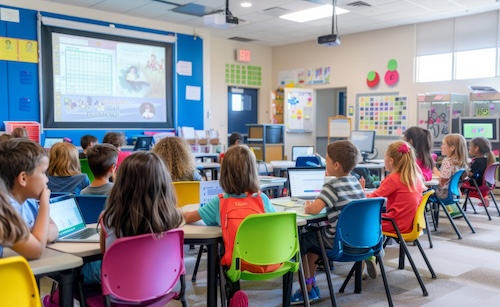
Schools have nearly doubled student access to computers and tablets since the pandemic began, with roughly 80 percent of K-12 students now using these devices during instruction. The shift reflects a fundamental reshaping of American classrooms, driven by pandemic-era remote learning and sustained by growing confidence in digital tools. Yet this rapid expansion has outpaced teacher preparation and raises hard questions about whether educators possess the skills, training, and support systems needed to make digital learning effective rather than counterproductive.
The numbers tell an incomplete story. Five years ago, about 50 percent of K-12 students used computers or tablets at school. Today that figure reaches 80 percent. Schools adopted learning management systems, digital curricula, and device-based instruction at unprecedented speed. Chromebooks appeared in classrooms nationwide. Video conferencing became routine. Districts invested billions in infrastructure and hardware.
Teacher readiness, however, lags behind device deployment. Professional development for digital instruction remains patchy and often insufficient. Many educators received minimal training on integrating technology meaningfully into lessons rather than simply substituting screens for textbooks. Teachers report feeling pressured to use devices without clear guidance on pedagogy. Some curricula treat technology as an add-on rather than a core instructional tool. Others struggle with technical troubleshooting during class time, burning instructional minutes while students wait.
The tension between device access and educational outcomes poses real stakes. Research shows that when technology supplements well-designed instruction and active learning, students benefit. When devices replace direct instruction or facilitate passivity, outcomes suffer. A student passively watching videos learns differently than one using digital tools for collaboration, problem-solving, or creating content. The hardware alone determines nothing.
Parents voice concerns about excessive screen time, distractibility, and reduced handwriting skills. These worries carry weight. Studies document increased eye strain, posture problems, and attention challenges linked to sustained device use. Social-emotional development may suffer when screen-based interaction replaces face-to-face collaboration. Schools face legitimate pressure to balance digital opportunity with developmental needs.
Districts tackling this challenge successfully do so through deliberate teacher investment. Effective models provide ongoing professional development focused on pedagogy, not just tool training. Educators learn to design lessons where technology serves clear learning objectives rather than appearing for its own sake. Schools establish device policies that specify when and how tools enhance learning versus distract from it. Leadership teams align technology use across grade levels and subjects, preventing fragmented or redundant adoption.
The path forward requires educators to move beyond reactive expansion. Schools must ask critical questions about purpose. What learning outcome justifies this device use? Could this happen better without screens? What scaffolding do students need? Professional learning communities, instructional coaches, and peer observation help teachers develop judgment about technology integration.
This moment offers opportunity. Teachers who master digital pedagogy expand their instructional range. Students gain skills in research, digital citizenship, and online collaboration that shape their futures. Schools that approach digital learning thoughtfully rather than hastily position students for success in college and careers that demand technological fluency.
The 80 percent figure represents not readiness but inventory. Real readiness happens when educators receive sustained training, administrative support, and time to reflect on whether their digital choices actually serve learning. Without that foundation, the devices alone change little.