# Why Lab-Grown Fabrics Haven't Yet Transformed the Clothing Industry
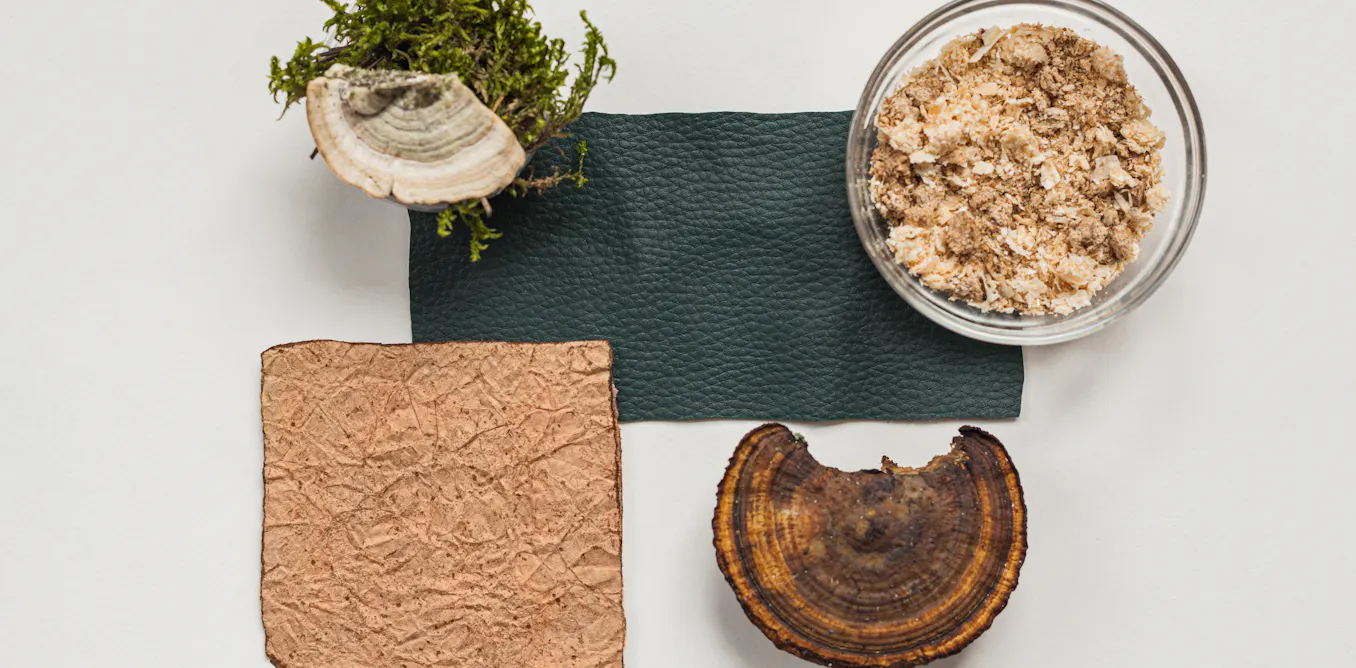
Scientists have cracked the code on growing textiles from fungi, algae, and lab-cultured cells. Materials like mycelium leather and lab-grown silk now exist in functioning prototypes. Yet five years after venture capital began funding these "bio-materials" startups at scale, most remain confined to design studios and research institutions rather than factory floors.
The gap between invention and adoption reflects a hard reality about industrial change. Creating the material is the easy part. Overhauling supply chains, manufacturing processes, and consumer expectations requires far more than good science.
Traditional textile manufacturing moves billions of dollars annually through established networks. Cotton farmers, synthetic fiber producers, and apparel manufacturers have optimized their systems over decades. A shirt produced using conventional methods costs less than $5 to manufacture. Bio-materials startups have not yet achieved comparable unit economics at volume.
Mylo, a startup developing mushroom-based leather alternatives, raised roughly $90 million in funding but faced production bottlenecks that delayed scaled manufacturing. Galy, which produces lab-grown spider silk, has spent years perfecting fermentation processes to match petroleum-based nylon in cost and durability. Both companies encountered the same barrier: pilot production and commercial production operate under completely different constraints.
Industry adoption also requires proof of durability, washability, and longevity. A consumer who buys a bio-material garment expects it to perform like conventional clothing. Premature market entry with untested products can damage credibility. Most bio-materials startups have chosen slower rollouts, working with luxury brands as initial partners to establish product reliability before targeting mass market.
The regulatory environment adds another layer. Textiles sold in the U.S. and EU must meet environmental and safety standards. Bio-materials derived from living organisms or fermentation processes require approval pathways that conventional synthetics do not. This extends timelines and increases compliance costs.
Despite these obstacles, some progress has emerged. Hermès partnered with Mylo to develop a limited collection featuring mycelium leather. Adidas has tested lab-grown spider silk in performance shoes. These collaborations signal that high-end fashion brands see commercial potential, but they also reveal the current market position: bio-materials operate as luxury additions, not mass replacements.
The chicken-and-egg problem persists. Manufacturers hesitate to invest in new production infrastructure without guaranteed demand. Consumers often remain unaware these materials exist. Educational campaigns have not yet reached mainstream audiences in ways that shift purchasing behavior.
Universities and research institutions continue advancing the science. MIT researchers have engineered faster-growing mycelium composites. UC Davis scientists optimized algae-based bioplastics for textiles. Incremental improvements in yield, cost, and performance continue. But translating those improvements into retail environments requires venture capital funding, manufacturing partnerships, and market acceptance that have moved slower than early advocates predicted.
Bio-materials represent genuine innovation in material science. Their eventual adoption by mainstream apparel manufacturers remains plausible. The timeline, however, stretches beyond what most observers anticipated in 2019 and 2020 when funding flowed into the sector. Industrial transformation operates on a slower clock than laboratory breakthroughs.