# Ethiopia's Tigray Region Faces Renewed Conflict as 2022 Peace Deal Unravels
Escalating confrontations in Ethiopia's Tigray region signal a dangerous breakdown of the 2022 Pretoria Peace Agreement, threatening to reignite a conflict that displaced millions and killed hundreds of thousands. The fragile ceasefire that ended two years of warfare between federal forces and the Tigray People's Liberation Front (TPLF) now shows critical strain.
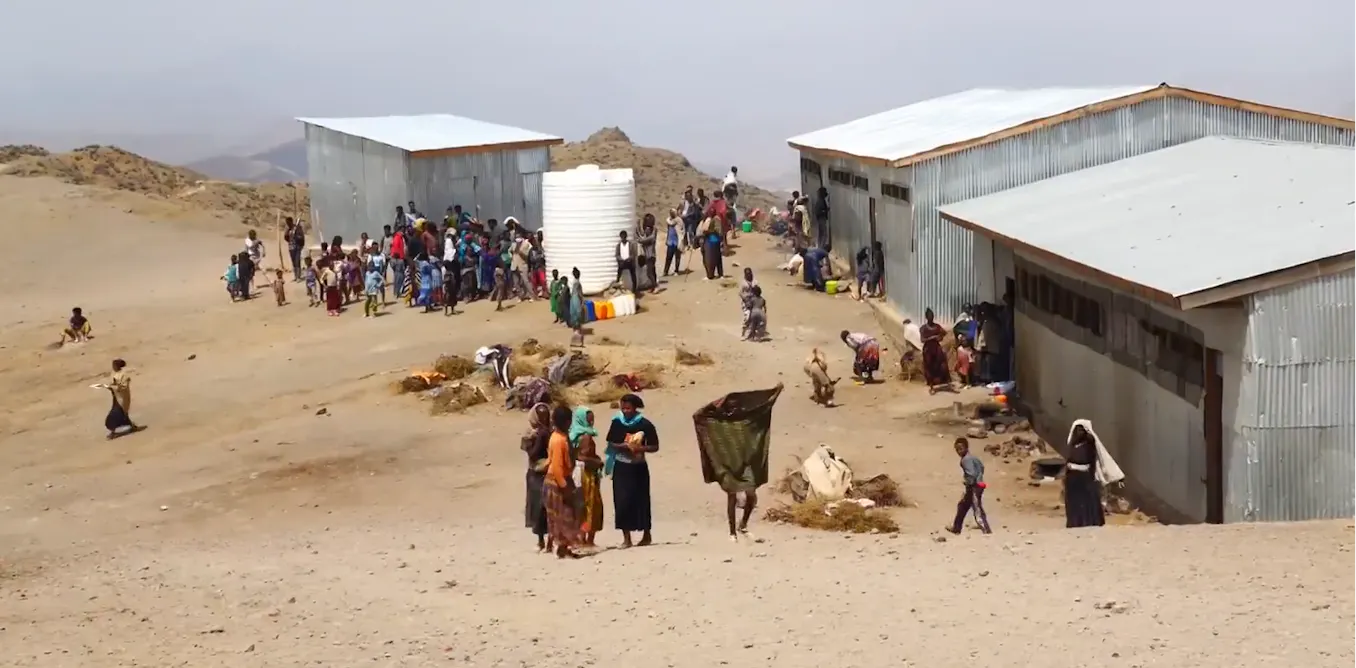
The original war, which began in November 2020, destroyed infrastructure across Tigray, disrupted education for nearly six million students, and created one of the world's worst humanitarian crises. Schools closed for extended periods. Universities remained shuttered. Children missed years of instruction. The November 2022 ceasefire brought relief but never translated into genuine peace building.
Current tensions stem from multiple unresolved issues embedded in the Pretoria agreement. The accord addressed military disengagement and humanitarian access but left fundamental disputes unaddressed. Control over territory, the status of armed groups, and integration of fighters into national structures remain contentious. Distrust between parties runs deep after years of atrocity allegations on both sides.
Recent incidents demonstrate how fragile the ceasefire truly is. Border skirmishes have intensified. Armed groups continue operating in disputed areas. Federal security forces clash with TPLF units over access to resources and territorial boundaries. Local militias add another layer of instability. Each confrontation risks triggering wider retaliation.
The educational and developmental toll continues mounting. Schools that reopened after the ceasefire now face renewed uncertainty. Teachers report intimidation. Students struggle to focus on academics amid security concerns. Universities in Addis Ababa and other regions still grapple with enrollment gaps created by the conflict.
Experts identify five pathways to prevent full-scale war's return. First, international mediators must pressure both parties to implement existing agreement provisions they have ignored. The African Union and regional bodies hold leverage through economic sanctions and diplomatic isolation. Second, confidence-building measures require tangible steps like prisoner releases and joint security committees. Third, transitional justice mechanisms must address past atrocities without forcing victors to abandon positions. Fourth, economic reconstruction must begin in Tigray to reduce grievances fueling renewed violence. Fifth, political dialogue must address root causes of the original conflict, including power distribution and regional autonomy.
The stakes extend beyond Tigray's borders. Renewed warfare threatens Ethiopia's entire Horn of Africa region. Neighboring Amhara and Oromia states border Tigray and face their own conflicts. Eritrea's military remains positioned near Tigray despite official neutrality claims. A full-scale return to conflict could displace millions more and destabilize the continent.
Donors and international organizations watch closely. The World Bank and bilateral partners have conditions tied to peace implementation. Universities in Tigray region require sustained support to rebuild teaching capacity and reopen research programs. Aid flows depend on demonstrable progress toward lasting peace rather than mere ceasefire maintenance.
Without intervention, confrontations will likely escalate. Both the Ethiopian federal government and TPLF possess military capacity for renewed offensive operations. Middlemen militia groups show little commitment to peace agreements they did not negotiate. The window for preventing catastrophic return to large-scale warfare remains open but narrows quickly as incidents multiply and rhetoric hardens across Tigray's contested boundaries.