# Universities and K-12 Schools Need Better Partnerships to Move Research Into Classrooms
A persistent gap separates educational research from classroom practice. University researchers publish findings in academic journals that teachers rarely read. K-12 educators work with limited knowledge of evidence-based approaches validated by rigorous studies. This disconnect costs students real opportunities to benefit from proven teaching methods.
Higher education institutions bear responsibility for closing this gap. Universities generate the bulk of education research but have historically done little to ensure their findings reach the practitioners who need them most. Teachers operate in isolation from the research community. District leaders make curriculum decisions without consulting academic experts. The result: classrooms continue using outdated or ineffective methods while better alternatives sit unread in academic databases.
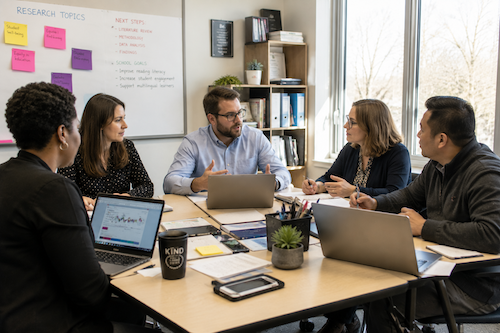
Structured collaboration offers a solution. Universities can establish formal partnerships with school districts that create two-way communication instead of one-way publication. These partnerships function differently from traditional research studies where universities observe classrooms from the outside. Instead, they embed researchers directly into schools as collaborators. Teachers and researchers work together to identify classroom problems, test solutions, and refine approaches based on real-world results.
Such partnerships serve multiple purposes. Researchers gain access to authentic school environments where they test theories in actual conditions rather than laboratory settings. Teachers access expert knowledge and gain credibility when implementing evidence-based practices. Students benefit from instruction grounded in research. Districts make better resource decisions when they understand what works and why.
Several universities have launched these initiatives successfully. Education schools can incentivize faculty to pursue practice-focused research by rewarding collaborative work in tenure and promotion decisions. Currently, the academic system values publications in peer-reviewed journals over engagement with practitioners. Changing these incentives sends a clear signal that connecting research to practice matters.
Universities can also invest in infrastructure that translates research into accessible formats. Brief summaries, video demonstrations, and practitioner guides make findings useful to busy teachers. One-page research briefs beat 40-page journal articles for reaching classroom educators. Webinars, podcasts, and district professional development sessions create opportunities for direct knowledge-sharing.
Professional development programs at universities should include K-12 educators as instructors and curriculum designers. Teachers understand what information practitioners need and how to present it effectively. Graduate students studying education benefit from exposure to real classroom challenges instead of only theoretical frameworks. Both groups learn from each other.
Universities also serve as convenors. Education schools can host annual convenings that bring together researchers, teachers, administrators, and policymakers. These gatherings facilitate networking, problem-solving, and knowledge exchange across sectors. They normalize collaboration and create accountability for translating research into practice.
Funding mechanisms matter too. Grants that reward research-practice partnerships attract university faculty to this work. Federal and foundation funders can require grantees to include K-12 partners and demonstrate plans for reaching practitioners. These requirements shift incentives toward applied research with real-world impact.
The cost of inaction grows each year. Teachers continue using ineffective methods. Students miss opportunities to learn from evidence-based instruction. Resources are wasted on unproven interventions. Universities possess knowledge that could improve millions of student outcomes, but that knowledge stays trapped in academic silos. Establishing genuine partnerships between higher education and K-12 schools transforms research from an academic exercise into a practical tool for better teaching and learning.