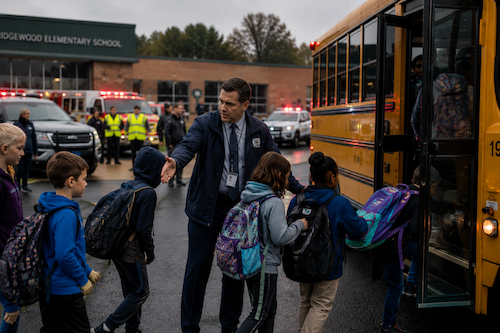
# Comprehensive Safety Planning Moves Beyond Checklist into Practice
School safety planning often gets dismissed as bureaucratic box-checking. But districts that treat comprehensive safety protocols as living systems, not static documents, report tangible protection for both staff and students.
The gap between theory and practice matters. Many schools maintain safety plans that sit in filing cabinets or shared drives, updated annually to satisfy compliance requirements but rarely integrated into day-to-day operations. Schools taking a different approach embed safety planning into regular staff training, student drills, and physical infrastructure decisions.
Effective comprehensive planning typically includes multiple layers. Physical security improvements like controlled entry points and updated door systems work alongside communication protocols that ensure rapid notification during emergencies. Staff training ensures teachers and administrators can recognize warning signs and respond appropriately. Mental health resources create prevention pathways before crises emerge. Coordination with local law enforcement establishes clear response procedures.
The practical difference shows up in implementation details. Schools that conduct frequent drills find staff and students respond faster and with fewer errors during actual events. Regular staff meetings that reference safety procedures keep protocols fresh rather than forgotten. When administrators visit classrooms to discuss safety concerns rather than only addressing problems after incidents occur, students report feeling more secure.
Documentation practices distinguish high-functioning programs too. Schools that maintain detailed records of threat assessments, near-misses, and resolved concerns can identify patterns and adjust responses. Those that treat safety meetings as routine agenda items rather than crisis responses see better engagement from teachers.
Budget allocation reveals institutional commitment. Districts prioritizing comprehensive safety dedicate resources to multiple areas simultaneously rather than funding single solutions. A school might invest in entrance improvements, mental health counseling positions, staff training time, and communication systems together, recognizing that no single intervention prevents all incidents.
The role of school resource officers or security personnel gains context within comprehensive planning. When officers work as part of integrated teams rather than isolated enforcement units, their effectiveness increases. They contribute to threat assessments, participate in drills, and build relationships with students that support prevention.
Teacher buy-in determines success or failure. When staff understand the reasoning behind protocols and have input into implementation, compliance improves. Anonymous reporting systems that let teachers flag concerns without formal processes encourage early intervention. Professional development that treats safety training as ongoing rather than annual compliance activity keeps information current.
Student engagement also matters. Schools that educate students about safety procedures without inducing anxiety see better outcomes. Age-appropriate explanations of why specific protocols exist help younger students understand rather than fear them.
Recent years have pushed districts to evaluate whether existing plans actually work. The difference between schools with comprehensive systems and those with scattered efforts becomes visible during both drills and actual emergencies. Response times improve. Communication flows more clearly. Coordination between departments and external agencies functions smoothly.
Comprehensive planning requires sustained attention and funding. The schools reporting strongest safety cultures treat planning as continuous improvement rather than one-time implementation. Staff turnover demands regular retraining. Building updates change threat landscapes. Community demographics shift. Effective safety systems adapt to these changes rather than remaining fixed.