# Schools Move Beyond Blanket Cell Phone Bans, Adopting Nuanced Device Management Policies
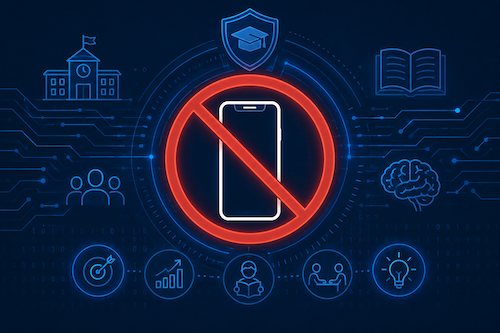
Schools nationwide are abandoning all-or-nothing cell phone bans in favor of targeted policies that allow device access while restricting use during instruction. This shift reflects growing recognition that blanket prohibitions fail to address the real issue: distraction during class time rather than device ownership itself.
The trend follows years of debate about phones in schools. Hard-line bans emerged in districts like New York City, which restricted phones during the school day entirely. Other districts implemented BYOD (bring your own device) programs that treated phones as learning tools. Research from multiple institutions showed both approaches have limits. Complete bans ignore legitimate uses like emergency communication and accessibility tools for students with disabilities. Unrestricted access drives down test scores and classroom engagement.
Schools now deploy middle-ground solutions. Common strategies include designated phone storage during core instruction, app-blocking software, designated phone-free zones, and classroom management systems that allow teachers to control when devices are accessible. Some districts use lockable pouches or wall-mounted organizers. Others employ technology platforms that disable certain functions during class periods then restore full access after dismissal.
This approach addresses documented research about distraction. Studies from the University of Chicago and others found that even phones stored out of sight reduce cognitive performance when students know they're in the room. Policies that remove devices entirely during math and reading instruction show measurable gains in comprehension and completion rates, while permitting access during electives and independent work time maintains flexibility.
The evolving policies also account for equity and accessibility. Students using phones as language translation tools, audio readers for dyslexia support, or diabetes management devices require guaranteed access. Blanket bans often created separate problems for these students. Schools now design exceptions into policies rather than treating accommodations as workarounds.
Implementation varies by grade level and subject. Elementary schools typically enforce stricter restrictions. Middle schools may allow phone use for research during specific lessons. High schools often adopt student-managed policies where classes vote on device rules. This scaffolded approach matches developmental appropriateness.
Parents generally support structured policies over total bans. Surveys from the Learning Policy Institute show 68 percent of parents want limited phone access during school hours but want their children able to contact home in emergencies. Teachers report better classroom dynamics when policies feel fair rather than punitive.
Districts implementing these systems report measurable outcomes. Broward County Schools in Florida saw improved attendance and reduced behavioral incidents after introducing phone-storage policies that maintained emergency access. Districts in California using classroom management apps report higher completion rates on assignments.
The shift also reflects practical reality. Enforcement of total bans requires significant administrative resources. Teachers spend time monitoring rather than teaching. Students find workarounds. Policies that permit supervised, structured access require less policing and generate less conflict.
Moving forward, schools continue refining approaches based on data. Some pilot phone-free lunches to increase social interaction. Others test app-blocking technology that disables social media during school hours but allows photography and research tools. Vermont and Minnesota schools are studying whether rotating phone-free days reduce dependence while maintaining access.
The emerging consensus treats cell phones like other classroom resources. They have appropriate uses and inappropriate contexts. Rather than banning them entirely, effective policies create conditions where phones support learning when needed and stay dormant when they don't.