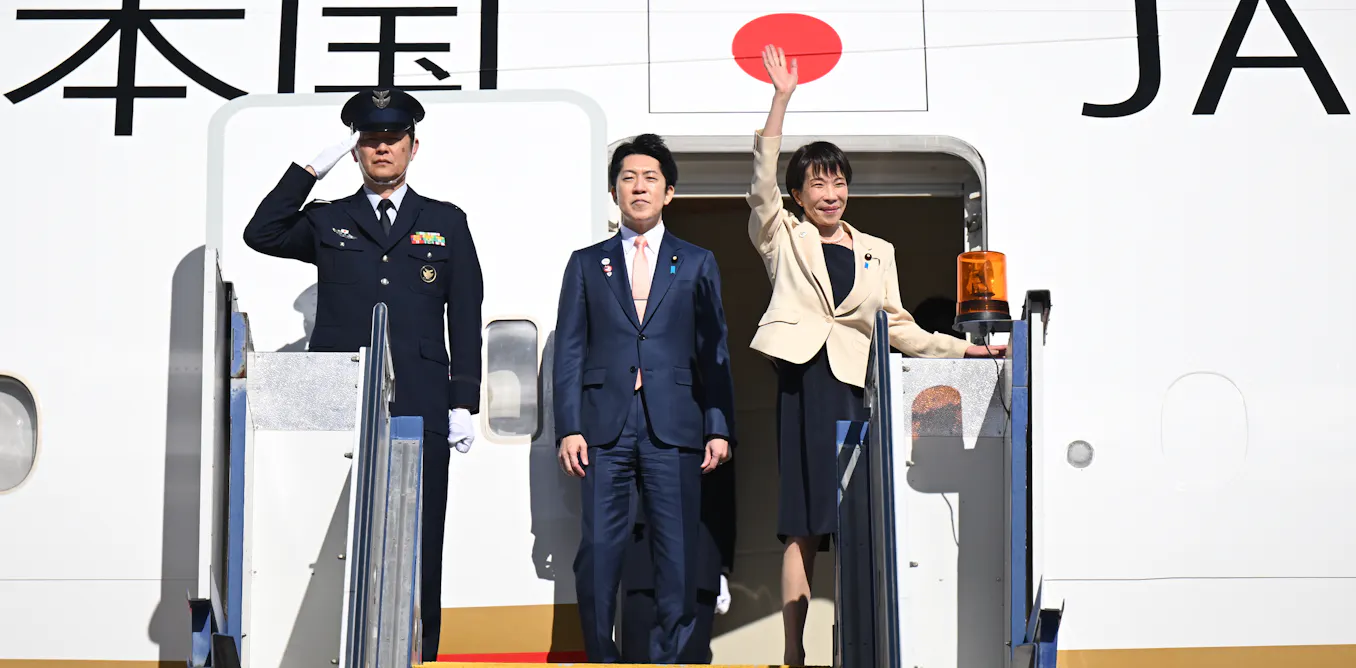
Sanae Takaichi's rise in Japanese politics has drawn attention from women voters who see her work ethic as relatable, particularly her willingness to work extended hours without complaint. Her popularity signals something complex about gender dynamics in Japan, however. Women voters appear drawn to her precisely because she embodies traits long demanded of female workers, reinforcing rather than challenging the structural inequalities women face.
The appeal reveals a troubling pattern. Japanese women regularly endure longer working hours, lower pay, and fewer promotions than male counterparts. When a female political leader gains traction by normalizing these conditions, it risks legitimizing the very barriers women should be dismantling. Takaichi's image as tireless and devoted becomes a model other women feel pressured to emulate, rather than a catalyst for systemic change.
Gender equality in Japan lags significantly behind other developed nations. Women hold fewer than 10 percent of parliamentary seats. Corporate leadership remains predominantly male. Childcare and household responsibilities fall disproportionately on women, creating dual burdens that make the long hours Takaichi works even more grueling for average female workers.
The paradox cuts deep. Women celebrating Takaichi's dedication may feel empowered by seeing a female leader operate at such intensity. But that celebration can obscure the question worth asking: Why should anyone, regardless of gender, need to work like this to succeed? Her popularity among women voters highlights how normalized exhaustion has become for female workers in Japan.
Real progress toward gender equality requires restructuring expectations around work itself, not finding female leaders who excel within damaging systems. Until Japan addresses the root causes of gendered workload disparities, celebrating individual women who work themselves harder than their male peers will only entrench the problem further.