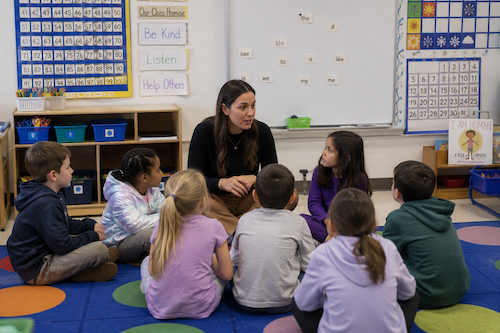
Teachers shape student outcomes most powerfully during the first week of school, when they establish classroom culture and trust. Research in education shows that positive relationships between students and teachers predict better academic performance, improved behavior, and higher engagement throughout the year.
The opening five days demand deliberate action. Educators should prioritize learning student names and personal details rather than rushing through curriculum. This signals to students that they matter as individuals. Teachers who greet students at the door, remember details from conversations, and use names consistently build rapport faster than those who jump straight into content.
Classroom norms require explicit teaching, not assumption. Students perform better when they understand expectations for behavior, participation, and collaboration. Teachers should involve students in creating these norms collaboratively, giving them ownership. Posting norms visibly and referencing them consistently reinforces their importance.
Activities that build community work better than seat-work during week one. Icebreakers, group problem-solving, and shared experiences help students feel connected to peers. This foundation prevents isolation and creates a safety net for students to take academic risks later.
Teachers should also communicate their genuine care. Students detect authenticity quickly. Sharing something personal about yourself, showing interest in students' interests, and responding positively to their contributions all convey that you value them beyond test scores.
The physical environment matters too. Organized, welcoming spaces with visible student work, flexible seating options, and accessible materials signal that the classroom belongs to everyone. Dark, cluttered rooms send the opposite message.
These early investments pay dividends. Students who feel known and safe participate more readily in challenging discussions, ask for help without shame, and persist through difficult work. Teachers who build trust first report fewer behavioral issues and more instructional time later in the year.
The first five days set the tone. Investing time in relationships and culture now reduces time spent managing behavior and reteaching concepts later. Teachers cannot