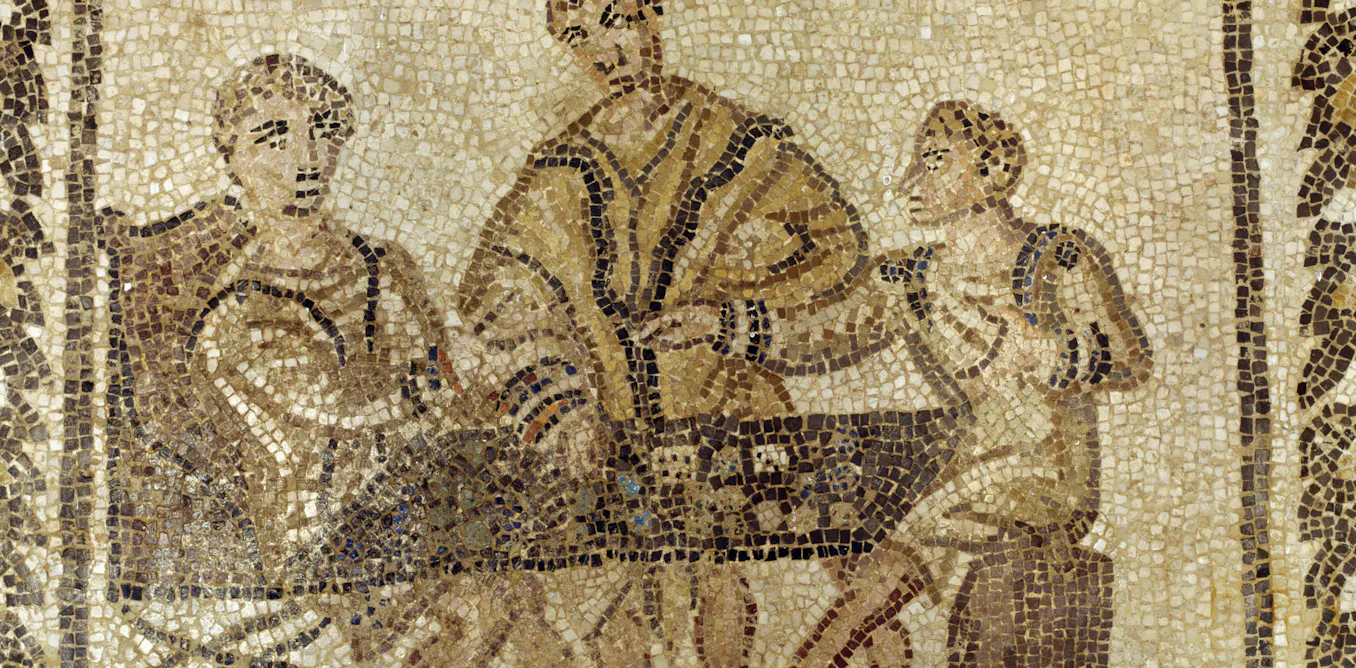
# Ancient Gambling Regulations Failed Just Like Modern Ones
Gambling regulation is not a modern problem. Greek and Roman authorities imposed strict rules on dice games and wagering, yet citizens and leaders alike ignored them with impunity.
In ancient Rome, laws banned gambling in public spaces during certain hours. Emperors issued edicts restricting play. None of it worked. Roman emperors themselves became notorious gamblers. Claudius gambled obsessively. Nero played dice constantly. The rules applied to ordinary citizens but never to those in power, creating a two-tiered system where elites faced no real consequences for breaking their own laws.
Ancient Greece faced similar challenges. Cities passed ordinances limiting where and when citizens could gamble. Tavern owners who allowed dice games faced fines. Players who wagered in prohibited areas risked punishment. The restrictions remained unenforceable because demand for gambling never ceased. People found ways around the rules, playing in private homes or at night when authorities couldn't monitor activity.
The historical record reveals why ancient governments tried to restrict gambling at all. They worried about the same issues modern societies do. Gambling caused debt and financial ruin. It destroyed families. It corroded civic virtue and military discipline. Soldiers who gambled lost focus. Citizens who lost fortunes became desperate and potentially violent.
Yet the appeal of gambling proved stronger than legal deterrents. The simplicity of dice games made them accessible everywhere. The possibility of quick wealth attracted desperate people. The thrill kept even wealthy people engaged.
The parallel to modern gambling regulation is striking. Today's governments implement age restrictions, limit betting amounts, and require warning labels. Casinos operate under strict licensing. Yet problem gambling persists. People find loopholes. Wealthy individuals often face fewer practical consequences. The underlying human attraction to gambling remains constant across millennia.
Ancient authorities learned what modern policymakers continue to