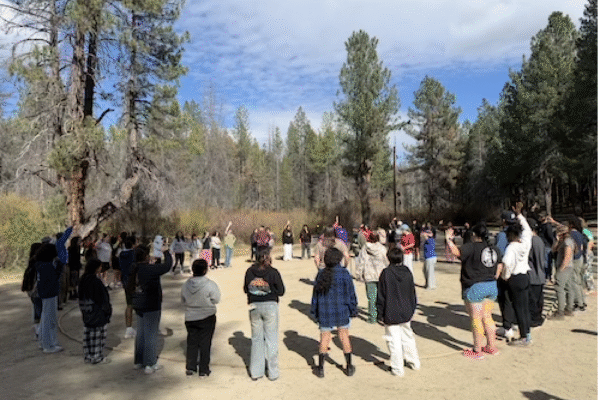
Outdoor education delivers measurable gains in academic performance and student well-being, research shows. Students who participate in nature-based learning demonstrate improved outcomes in science, reading, and math compared to peers in traditional classroom settings.
The benefits extend beyond test scores. Outdoor learning strengthens student motivation, psychological well-being, and overall school engagement. These gains appear consistent across different subjects and grade levels.
Schools increasingly recognize outdoor spaces as legitimate learning environments, not just recess areas. Forest schools, outdoor classrooms, and nature-integrated curricula have expanded in districts across North America and Europe. Teachers report that students retain information longer when lessons occur in natural settings, likely because outdoor experiences activate multiple senses and connect abstract concepts to tangible environments.
Research from universities including Cornell and the University of Illinois documents these outcomes through longitudinal studies tracking student performance. The data shows outdoor learning particularly benefits students who struggle in traditional classrooms, including those with attention difficulties and anxiety disorders. Natural settings appear to reduce stress and improve focus.
School districts face practical obstacles to expanded outdoor education. Teachers need training in outdoor pedagogy. Schools require adequate green space, funding for outdoor facilities, and liability insurance for field-based programs. Weather variability complicates scheduling. Transportation to natural areas consumes time and resources.
Despite these barriers, education experts argue outdoor learning deserves priority status within school budgets and curricula. The American Association for the Advancement of Science and the National Association for Environmental Education both advocate for outdoor education as a core component of K-12 instruction.
Schools that have invested in outdoor classrooms report higher teacher retention and reduced discipline incidents. Students demonstrate greater independence and risk-assessment skills. These outcomes suggest outdoor education addresses broader school culture goals beyond academic metrics.
Districts beginning outdoor programs typically start small, converting existing grounds into learning spaces or partnering with local parks and nature centers. Expanding outdoor education does not require abandoning indoor classrooms but