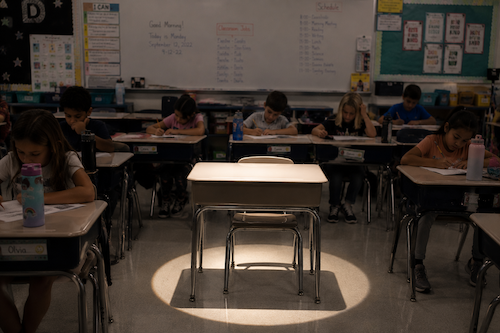
Chronic absenteeism serves as a symptom, not a root cause. Schools that treat it as a disciplinary problem miss the underlying issues driving students away from classrooms.
Students miss school for documented reasons: mental health struggles, housing instability, family obligations, transportation barriers, and lack of belonging. When schools respond with stricter attendance policies, suspensions, or truancy court referrals, they often worsen the problem by pushing already-disconnected students further away.
Research shows chronic absenteeism clusters in specific student populations. Low-income students, students in foster care, those experiencing homelessness, and students with untreated mental health conditions miss significantly more school. These students need support systems, not punishment.
The most effective interventions focus on connection and dignity. Schools that reduce chronic absenteeism employ counselors who understand student barriers, create mentoring relationships, offer flexible scheduling, coordinate transportation assistance, and build welcoming classroom environments. They ask students why they're missing school and actually listen.
Several districts have shifted their approach. Instead of automatic consequences for absences, they investigate patterns. They partner with families to identify obstacles. They connect students to services. Schools with robust intervention teams, mental health staff, and community partnerships see attendance improve.
The data is clear. When students feel they belong, when adults know them by name, when schools remove concrete barriers to attendance, students show up. When they face punishment for circumstances beyond their control, attendance worsens.
School leaders should reframe chronic absenteeism as a diagnostic tool. Each absence signals a student in crisis. The work requires not stricter enforcement but deeper investment in understanding and supporting that student. This approach takes time, resources, and genuine commitment to addressing the conditions that keep students home in the first place.