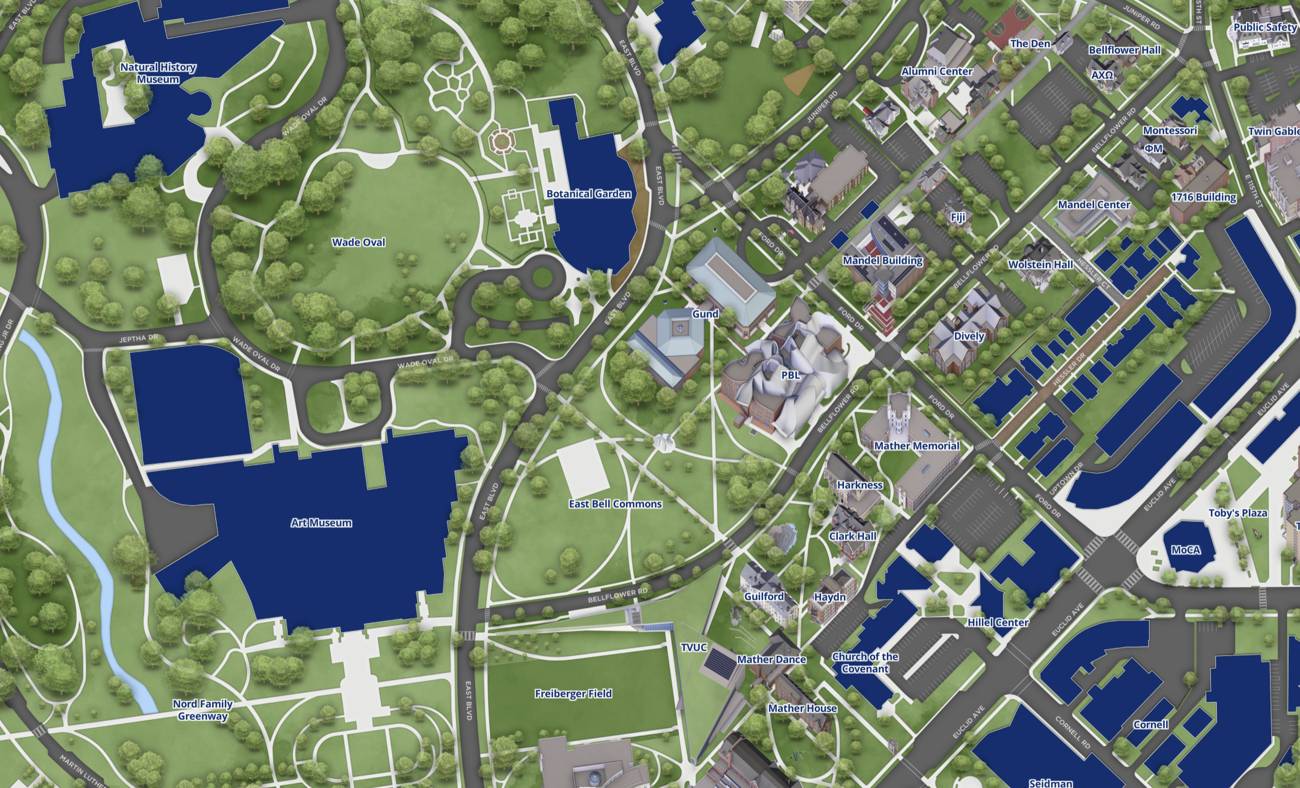
Case Western Reserve University has launched an interactive campus map with turn-by-turn navigation between buildings, expanding how students and visitors find their way around campus.
The new tool functions similarly to consumer navigation apps, offering step-by-step directions from one location to another across the Cleveland-based campus. The map integrates building information and pathways to reduce confusion for first-year students, prospective visitors, and staff unfamiliar with the layout.
Campus navigation tools have become standard infrastructure at large universities. They address a real friction point in the student experience, particularly during orientation and the first weeks of classes when students rush between lecture halls and dormitories. Poorly designed campus layouts or confusing signage can delay students and create unnecessary stress during their transition to college life.
Interactive mapping also supports accessibility needs. Students with mobility challenges or visual impairments benefit from detailed directional information and building-level details that static maps cannot provide.
Case Western, a private research university with roughly 5,000 undergraduates and 2,800 graduate students, joins a growing number of institutions deploying digital wayfinding systems. Schools like the University of Michigan, Stanford University, and others have implemented similar tools in recent years. These projects typically involve partnerships between IT departments, facilities management, and campus planning offices.
The investment reflects how universities now view technology as essential to campus operations and student experience. Beyond basic navigation, such tools can eventually integrate real-time information about building occupancy, room availability for study sessions, or event locations.
For prospective students considering Case Western, the map may also serve as a tangible signal of institutional investment in student support and modern campus infrastructure. First-generation students and those unfamiliar with large research campuses particularly benefit from these visibility tools before arrival.
The broader trend suggests universities recognize that small friction points in daily student life add up. Addressing navigation removes one barrier to student success and allows students