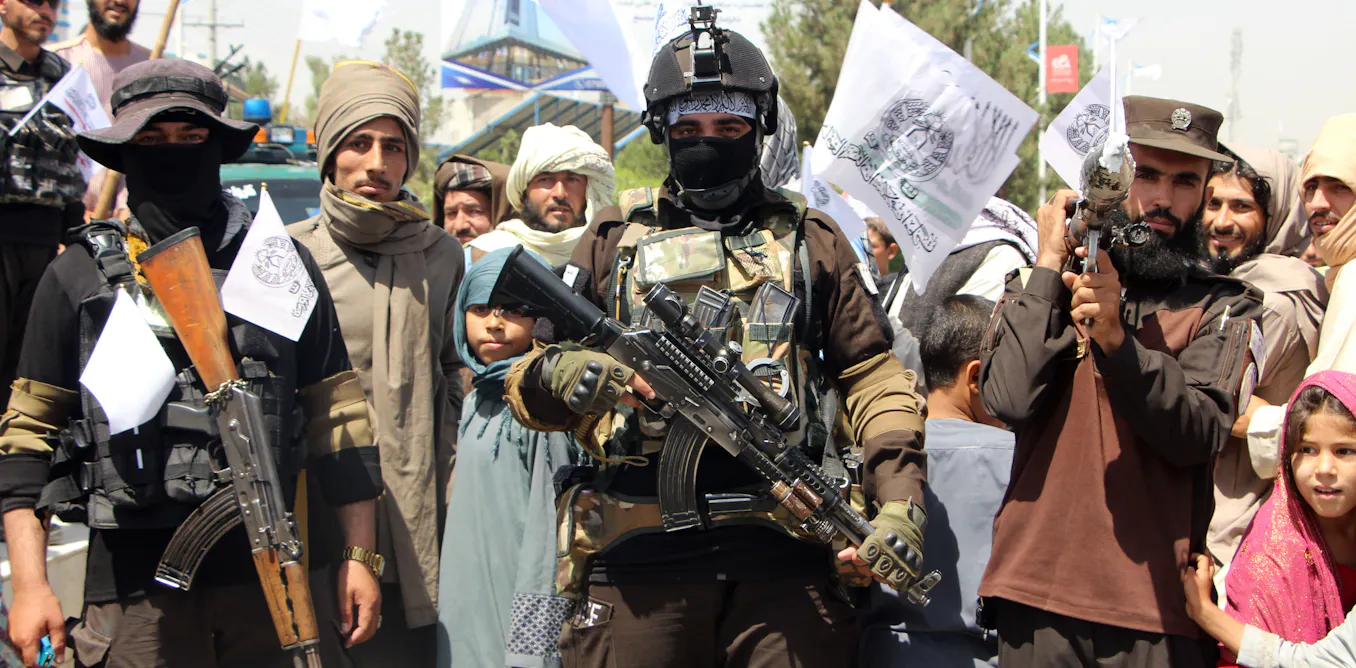
# The Taliban Faces Growing Armed Resistance in Afghanistan
Afghanistan confronts deepening instability as armed opposition groups challenge Taliban control across the country. The armed resistance, though fragmented, has gained momentum as the Taliban's governance failures mount.
The Taliban's rule has created conditions for armed rebellion. Economic collapse, political repression, and exclusion of ethnic minorities from government have fueled discontent. Multiple armed factions now operate in northern provinces and other regions, targeting Taliban positions and infrastructure.
The resistance lacks unified command structure and coherent strategy. Different groups pursue separate agendas based on ethnicity, regional interests, and ideological differences. The Northern Alliance remnants, Tajik militias, and Hazara groups operate independently rather than as a coordinated force. This fragmentation limits their effectiveness and complicates efforts to present a credible alternative to Taliban rule.
International factors shape the conflict's trajectory. Pakistan historically supports the Taliban, while neighboring nations including Tajikistan and Uzbekistan provide some support to resistance groups. Russia and China monitor developments closely, concerned about regional stability and extremism spreading beyond Afghanistan's borders.
The Taliban maintains military superiority through superior firepower and unified command. However, guerrilla tactics employed by resistance forces exact a steady toll. Rural populations in contested areas face constant violence and instability, complicating Taliban efforts to consolidate control.
Analysts question whether resistance forces can overcome internal divisions to pose genuine threats to Taliban authority. Historically, Afghan opposition movements have struggled to maintain unity without external backing or shared leadership. The current factions repeat this pattern.
Afghanistan's humanitarian crisis deepens amid the conflict. Displaced populations, shortages of food and medicine, and destroyed infrastructure compound the suffering. Aid organizations struggle to operate in Taliban-controlled areas, limiting humanitarian relief.
The path forward remains unclear. A unified resistance movement could destabilize Taliban rule, but current factional divisions suggest