# Summary
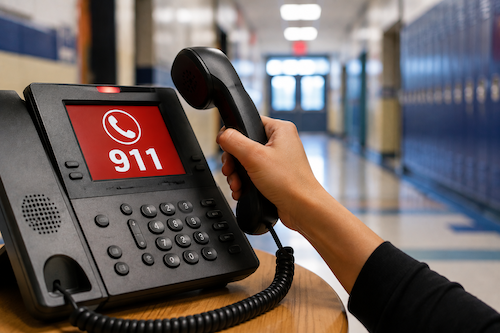
Most public schools now operate extensive camera networks across their campuses, yet 911 dispatchers responding to emergencies at schools still lack real-time access to that video footage. This disconnect creates dangerous delays when active threats, medical crises, or other urgent situations unfold inside school buildings.
Dispatchers typically receive fragmented information during school emergencies. They rely on phone calls from staff or students who may be hidden, panicked, or unable to describe locations accurately. Without direct camera feeds, responders cannot verify threat locations, assess the scope of danger, or guide emergency personnel efficiently through unfamiliar hallways and classrooms.
The infrastructure exists but remains disconnected. Schools invest in closed-circuit television systems to monitor hallways, parking lots, and entrances, yet these systems rarely integrate with 911 dispatch centers. Technical barriers include incompatible software platforms, network security concerns, and the cost of establishing secure data connections between school districts and emergency services.
Some districts have begun addressing this gap. Schools in certain jurisdictions now use integrated emergency response platforms that stream camera feeds directly to dispatchers and first responders' mobile devices. These systems allow police officers en route to see real-time video of the threat area before entering the building, potentially reducing response time and improving tactical decisions.
Privacy concerns complicate broader adoption. Schools worry about continuous surveillance footage flowing to external agencies, and some communities object to law enforcement accessing camera systems designed primarily for administrative oversight. Districts must balance real-time emergency response benefits against privacy protections for students and staff.
The National Center for Missing and Exploited Children and various school safety organizations have called for standardized protocols requiring camera integration with 911 systems. However, funding remains scarce. Federal grants rarely cover the technical upgrades needed to bridge school networks with emergency dispatch infrastructure.
Until that integration becomes standard, schools face an ongoing vulnerability. The cameras designed to prevent and document emergencies