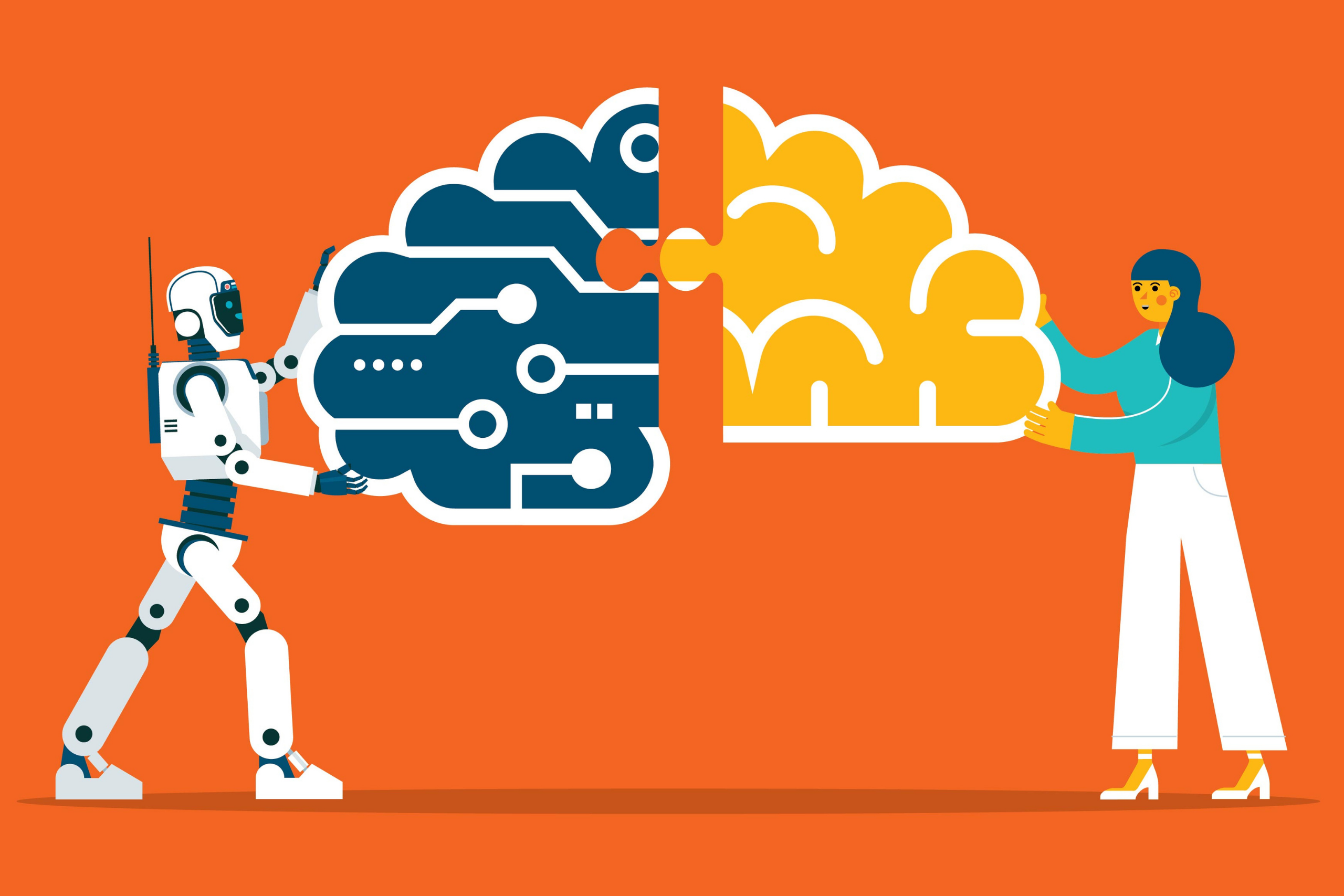
An educator's experiment with role reversal offers a fresh perspective on how artificial intelligence can reshape classroom feedback practices. Rather than viewing AI as a threat to teaching, one instructor flipped the script: delegating repetitive grading tasks to AI while reclaiming time for meaningful pedagogical work.
The scenario is familiar to most teachers. Stacks of papers pile up mid-semester, each requiring individualized comments alongside repetitive corrections about formatting, citation style, and basic mechanics. The instructor found themselves trapped in a cycle where APA clarifications consumed mental energy that should have gone toward substantive engagement with student thinking.
By assigning AI tools to handle initial feedback on technical issues, the educator freed cognitive space for higher-order commentary. The AI flagged formatting errors and citation problems, while the instructor focused on analyzing argument structure, evidence quality, and original thinking. This division of labor proved pedagogically sound. Students received immediate, consistent technical feedback through AI systems, then received deeper instructor feedback on content and intellectual development.
The approach raises questions about labor distribution in education. Grading consumes enormous amounts of faculty time, particularly at institutions with heavy course loads. Teaching quality often suffers when instructors prioritize speed over depth. The role reversal, where technology handles routine tasks, restores instructor capacity for genuine mentorship.
This model works best with clear boundaries. AI-generated feedback on mechanics requires instructor review for accuracy and tone. Students benefit from knowing that humans still evaluate their most important work. The hybrid approach acknowledges technology's genuine utility while protecting the irreplaceable human element of education.
The experiment suggests that productivity gains from AI adoption don't necessarily devalue teaching. Rather, they redirect scarce human attention toward what machines cannot replicate: judgment calls about argumentation, recognition of student growth, and the kind of feedback that shapes intellectual development. This trading of places between human and machine intelligence could improve teaching quality when implemented thoughtfully.