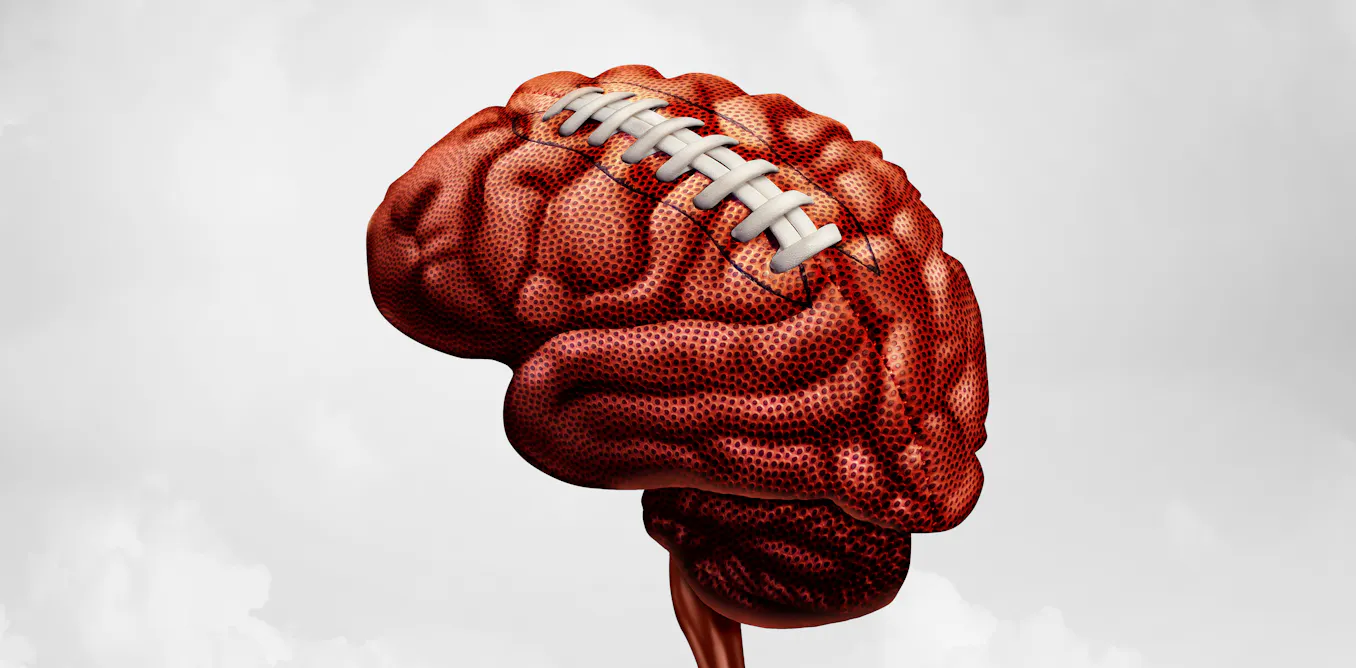
# Sports Leagues' Concussion Guidelines Neglect Emerging Brain Health Risks
Athletic organizations across multiple sports have adopted concussion management protocols in recent years, but these policies address only part of the injury landscape facing young athletes. Emerging research shows that subconcussive impacts—repetitive blows to the head that don't meet the threshold for a diagnosed concussion—pose significant neurological risks that current league guidelines largely ignore.
Leading sports organizations including the NFL, NHL, and youth sports governing bodies have implemented return-to-play protocols and baseline testing following diagnosed concussions. These measures represent progress on a widely recognized problem. However, experts argue the focus on acute concussions misses a broader threat to brain health.
Subconcussive impacts accumulate over entire seasons and careers. A soccer player heading the ball repeatedly, a football lineman absorbing contact on every play, or a hockey player engaged in regular body checking all experience subconcussive trauma. Research from Boston University and the University of Michigan suggests these repeated impacts may contribute to long-term cognitive decline and neurodegenerative diseases, even without diagnosable concussions.
Current league policies typically address only events that result in visible symptoms like dizziness, confusion, or loss of consciousness. They rarely track or limit the total number of head impacts athletes sustain. Some youth soccer organizations now restrict headers for younger age groups, and a few leagues have implemented impact monitoring technology. Most organizations, however, have not adopted such measures.
The gap between science and policy creates risk for athletes across age groups and sport types. A 14-year-old football player might experience dozens of subconcussive hits weekly, yet leagues provide no standardized monitoring or protective guidelines beyond those addressing diagnosed concussions.
Experts recommend that sports organizations broaden their brain health policies to include impact reduction strategies, better tracking of head trauma exposure, and age-appropriate