# Armed Groups Profit From Sahel Lithium Mining Amid Global Demand Surge
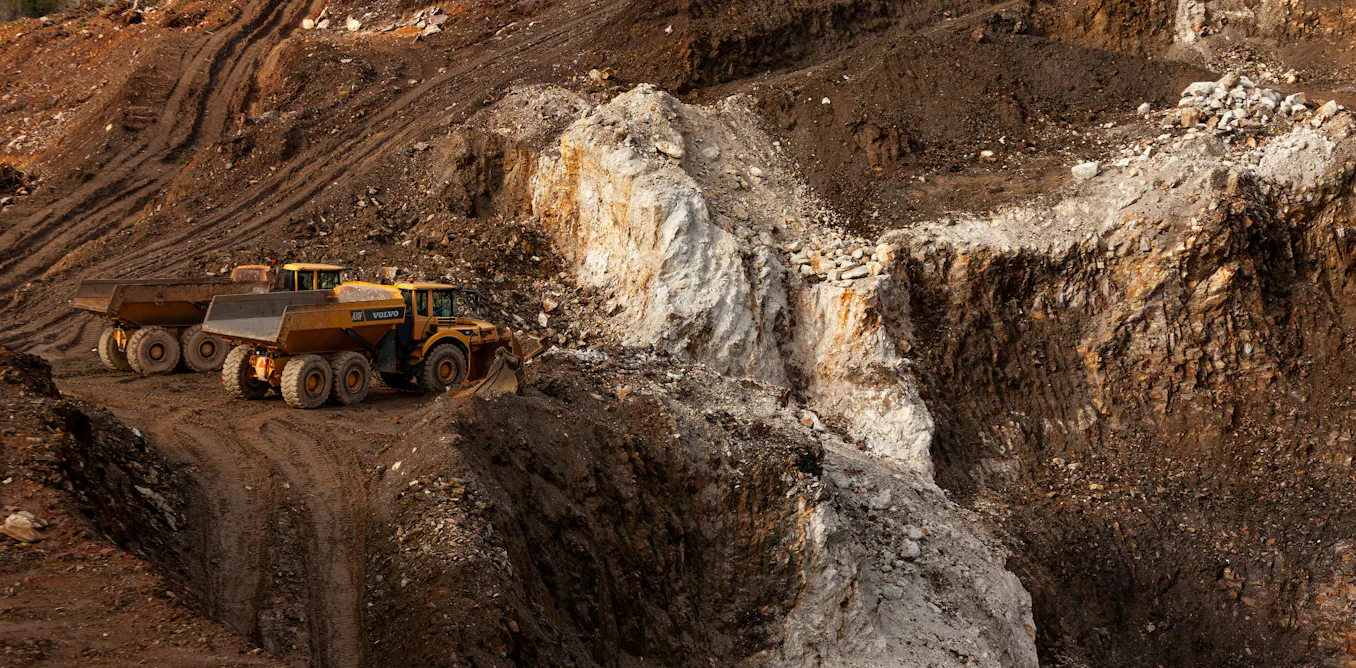
Armed groups operating across the Sahel region are capitalizing on the global race for lithium, a mineral essential to battery production and renewable energy storage. As demand for electric vehicles and clean technology accelerates worldwide, extractors and mining operations in West Africa have become targets for militant organizations seeking revenue and control.
The Sahel, spanning across Mali, Burkina Faso, Niger, and neighboring countries, contains substantial lithium deposits. Armed groups have moved to dominate mining sites through taxation schemes, direct extraction operations, and extortion. They exploit weak government control in remote areas where regulation remains minimal and enforcement capacity is limited.
This dynamic creates several problems. First, it funds militant activities and strengthens armed groups that destabilize entire regions. Second, it undermines legitimate mining operations and state revenues that governments could direct toward public services. Third, it creates dangerous working conditions for miners, many of whom operate without safety protocols or fair compensation.
The situation reflects a broader global paradox. Wealthy nations are racing to secure critical minerals needed for green energy transitions, but demand creates opportunities for conflict actors in mineral-rich but fragile states. Companies sourcing lithium face pressure to verify supply chains, yet tracing minerals back to specific mines remains difficult.
Mali, Burkina Faso, and Niger have experienced military coups in recent years, leaving governments weakened and unable to monopolize mineral extraction. Armed groups exploit this vacuum. Local communities see little benefit from mining while bearing environmental costs and security risks.
International efforts to address the problem remain limited. The ICMM (International Council on Mining and Metals) has published guidance on conflict minerals, but enforcement mechanisms are weak. Battery manufacturers and automakers increasingly face pressure from investors and regulators to ensure responsible sourcing, yet supply chain transparency in the Sahel remains