# The Hidden Cost of Fragmented Student Data in K–12 Schools
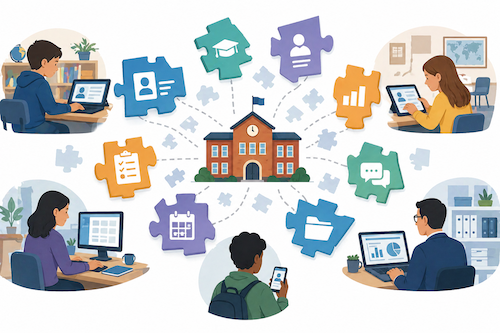
Student data scattered across disconnected systems has emerged as a major operational problem in K–12 schools. When information about a student's academics, attendance, behavior, and special services sits in separate databases rather than unified platforms, schools struggle to see the full picture of each child's progress and needs.
This fragmentation creates real costs. Teachers waste time hunting across multiple systems to find basic information about their students. Counselors and special education staff cannot easily coordinate support. Parents receive inconsistent information about their child's performance depending on which staff member they contact. Administrative staff spend hours reconciling data across platforms, pulling them away from higher-value work.
The problem runs deeper than inefficiency. When data lives in silos, patterns that signal a student needs help get missed. A child with rising absences might be flagged by attendance software but that signal never reaches the classroom teacher using a different gradebook system. Special education services sometimes duplicate or overlap because eligibility information remains trapped in separate records. Early warning systems designed to catch struggling students fail when the underlying data they depend on is fragmented.
The school-home connection suffers most visibly. Parents trying to understand their child's progress encounter conflicting messages from different teachers or systems. Communication lags because information takes time to travel between platforms. Trust erodes when families see inconsistent data or cannot get answers to basic questions about how their child is performing.
Integration matters. Schools that consolidate student data into unified systems report faster identification of at-risk students, improved coordination between teachers and support staff, and stronger parent communication. When attendance, academic performance, behavior, and service records exist in a single accessible database, school teams make better decisions faster.
Yet many districts still operate with fragmented legacy systems due to cost, technical barriers, or lack of integration standards. The expense of maintaining these disconnected systems, combined with