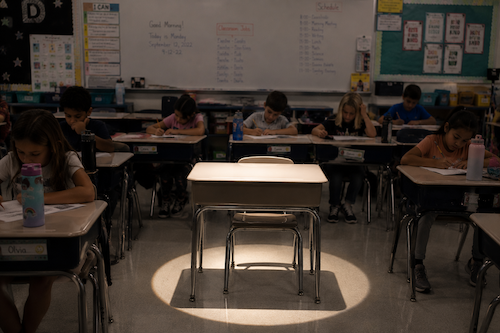
Chronic absenteeism signals underlying problems students face, not a discipline issue schools can fix through stricter attendance policies. School leaders must treat absences as a warning that something deeper requires attention, whether academic struggles, mental health challenges, family instability, or lack of belonging.
The data reflects the stakes. Students who miss 10 percent of school days chronically absent, according to federal definitions fall behind academically. Yet punitive approaches like detention or suspension worsen the problem. They increase disconnection rather than rebuild the relationships and support systems that bring students back.
Effective responses start with investigation. Why does a particular student miss school? Transportation barriers, food insecurity, caring for siblings, anxiety, or feeling unseen in the classroom all demand different solutions. A student missing school because of untreated anxiety needs counselor support, not a truancy letter. A student without reliable transportation needs logistical help, not consequences.
Schools making progress on chronic absenteeism focus on belonging. They train staff to recognize when students feel marginalized. They create early warning systems that flag attendance patterns before they become chronic. They assign trusted adults to check in with frequently absent students, no questions asked at first.
The most successful programs embed support into daily school life rather than treating it as an add-on. Mentorship programs, peer groups, and advisory systems where adults know students personally matter more than attendance enforcement. Students attend school when they feel valued, when adults invest in their success, and when they see relevance in what they learn.
School leaders who reframe chronic absenteeism as a signal rather than a problem shift their entire approach. They invest in understanding the barriers students face. They build systems designed to welcome students back without shame. They recognize that belonging solves what punishment cannot.
The conversation shifts from "How do we make students come to school?" to "Why might this student not want to be here, and