# What Higher Ed Can Do About Getting Research Into the K-12 Classroom
A persistent gap separates university research from classroom practice. Educational researchers at colleges and universities conduct studies on teaching methods, learning science, and student outcomes, yet K-12 teachers rarely access or implement these findings. The disconnect costs students by leaving evidence-based strategies on library shelves instead of in lesson plans.
The barrier stems partly from structural isolation. Universities and school districts operate on different timelines, use different language, and maintain separate funding streams. Researchers publish in academic journals aimed at peers, not practitioners. Teachers lack time to read scholarly articles during their workdays. Neither system has built formal channels for translation and collaboration.
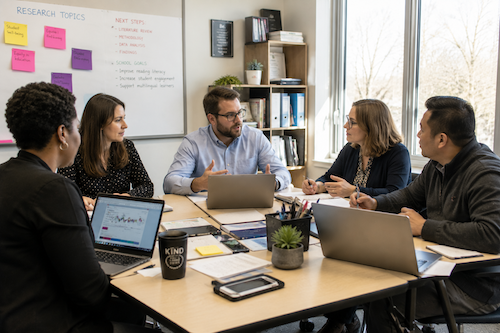
Higher education institutions can bridge this gap through deliberate action. Universities should establish dedicated offices tasked with moving research into schools. These teams would translate dense academic papers into practical guides for teachers, field-test findings in actual classrooms before publicizing results, and maintain ongoing relationships with school districts rather than treating them as one-time study sites.
Faculty incentives matter too. Promotion and tenure systems at universities currently reward publication in prestigious journals. Rewarding scholars who work directly with schools and communicate findings accessibly would shift priorities. Joint appointments between universities and districts could embed researchers in schools and embed educators in universities.
Professional development funded and designed by researchers offers another pathway. Instead of generic workshops, universities could provide targeted training on specific, research-backed practices. Teachers would learn the science behind the strategy, not just the mechanics.
School districts must also invest in research literacy. Building time into teachers' schedules for professional learning, hiring literacy coaches who understand both research and classroom constraints, and creating school-based inquiry teams empowers educators to evaluate and adapt findings for their contexts.
When universities and K-12 schools operate as partners rather than separate ecosystems, research leaves the ivory tower and enters classrooms where it belongs. Students benefit