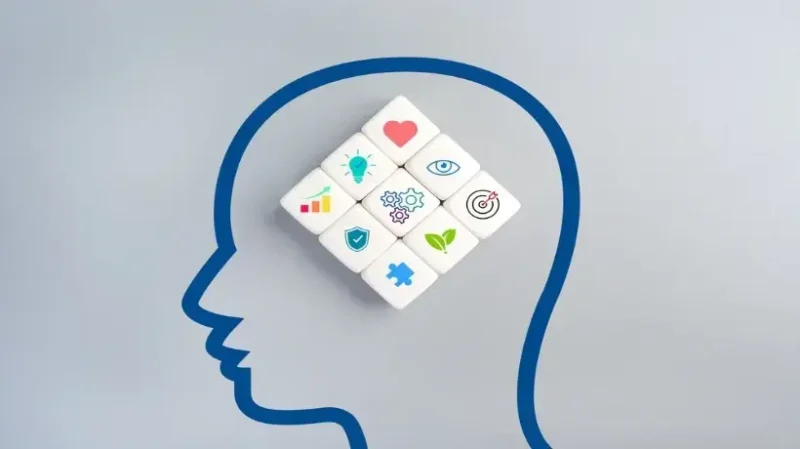
As artificial intelligence automates routine tasks, employers increasingly prioritize workers who possess distinctly human capabilities. Leadership and learning and development teams now face pressure to identify, teach, and strengthen skills that machines cannot easily replicate.
Human skills encompass emotional intelligence, complex problem-solving, creative thinking, adaptability, and interpersonal communication. These competencies enable employees to navigate ambiguity, collaborate across teams, and generate novel solutions to novel problems. Unlike technical skills, which often have defined curricula and measurable endpoints, human skills require ongoing practice and cultural reinforcement.
The shift reflects a broader labor market reality. Entry-level roles that once required only technical proficiency increasingly demand workers who can interact with clients, lead projects, and think strategically. Companies like Google and Amazon now weight soft skills as heavily as technical qualifications in hiring decisions. This trend extends across sectors, from manufacturing to finance to healthcare.
Organizations implementing human skills development programs typically use multiple methods. Peer mentoring, project-based learning, and cross-functional team assignments create environments where workers practice collaboration and communication daily. Executive coaching and leadership development programs target management layers specifically. Some companies embed human skills training into onboarding processes to establish expectations early.
The business case remains straightforward. Employees with strong human skills stay longer, adapt faster to organizational change, and tend to perform better across performance metrics. In industries experiencing rapid automation, these capabilities become competitive advantages that affect retention and innovation capacity.
However, measurement remains challenging. Unlike technical certifications, human skills defy easy quantification. Organizations typically rely on 360-degree feedback, peer assessment, and engagement surveys rather than standardized tests.
L&D teams now allocate larger budgets toward human skills development. Training providers have responded by creating workshops and online courses focused on these competencies, though experts debate whether skills like empathy and creativity can truly be taught in classroom settings versus developed through authentic workplace experience.