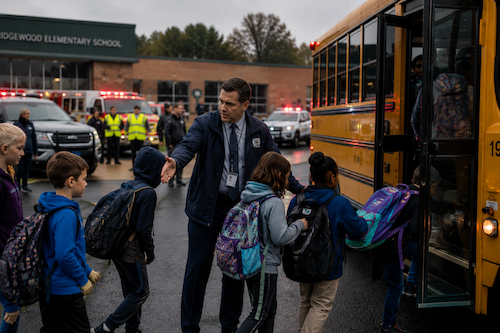
A school district's comprehensive safety planning approach transformed abstract protocols into working protections that educators and students rely on daily.
The distinction matters. Comprehensive safety planning goes beyond compliance checklists. It requires districts to integrate multiple layers of protection: threat assessment procedures, emergency response drills, mental health resources, physical security upgrades, and clear communication systems that connect staff and families.
Districts that treat safety planning as compliance alone often miss the human element. Staff need training that sticks. Students need to understand procedures without living in fear. Parents need accurate information about what their schools actually do during emergencies, not vague reassurances.
Effective implementation requires commitment from administrators, teachers, counselors, and security personnel working as a unified system. When a school identifies a potential threat, trained staff follow clear protocols. When alarms sound, students and teachers know exactly where to go. When a crisis ends, schools have processes for supporting trauma responses rather than simply returning to normal.
Research from the National Association of School Psychologists shows that schools with integrated safety plans that include threat assessment, mental health services, and physical security measures experience better outcomes during actual emergencies. Students report feeling safer, staff feel more prepared, and response times improve measurably.
The difference between theoretical safety and practiced safety becomes stark during real incidents. A school that has drilled procedures monthly responds faster than one that conducts drills twice yearly. A staff trained to recognize warning signs catches problems earlier. A building with communication systems that actually work keeps everyone informed in chaos.
Comprehensive planning also addresses the mental health dimension. Schools that pair security measures with counseling services, peer support programs, and de-escalation training create environments where safety feels protective rather than punitive. Students distinguish between necessary precautions and oppressive surveillance.
For teachers, comprehensive safety planning means they can focus on teaching rather than constantly worrying about what happens if something goes wrong. For families,