Apple's new MacBook Neo has launched a conversation about device affordability in K-12 schools, but education technology leaders warn the real challenge lies in IT infrastructure readiness.
The MacBook Neo positions itself as a budget alternative to standard MacBooks, potentially expanding access to Apple devices in districts that traditionally favor Windows machines or Chromebooks due to cost constraints. However, the device's arrival exposes a management gap that many schools have not addressed.
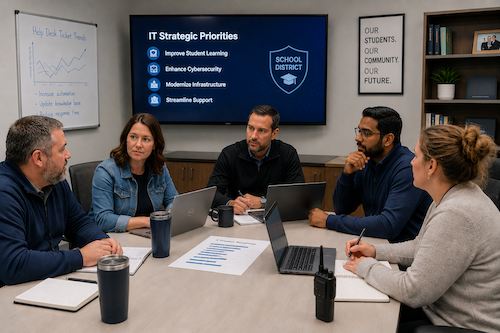
K-12 IT teams operate within strict resource limits. Most education technology departments lack the staff, training, and systems to support a diversified device ecosystem. Schools that already manage Windows PCs, iPads, and Chromebooks face complexity in device management, software licensing, security protocols, and technical support. Adding MacBook lines into this mix compounds those operational demands.
The MacBook Neo's lower price point removes one barrier to adoption, but IT leaders identify several obstacles. Mobile device management solutions that work seamlessly across all platforms remain expensive and imperfect. Staff training costs rise when support teams must master multiple operating systems. Purchasing decisions made at the administrator level often bypass IT consultation, leaving technical teams scrambling to integrate new hardware after the fact.
District leaders considering the MacBook Neo need to assess their current IT capacity before proceeding. This requires honest conversations about staffing levels, help desk capabilities, device management software, and teacher training resources. A lower-cost device becomes an expensive liability if IT teams cannot support it adequately.
The MacBook Neo debate reflects a broader K-12 technology problem. Budget decisions drive hardware purchases, but implementation success depends on operational readiness. Schools should treat IT infrastructure investment as inseparable from device procurement. Without both pieces in place, the MacBook Neo remains an attractive option that districts may not be positioned to fully support.