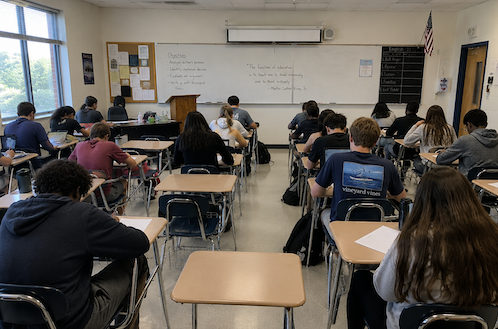
# Summer Break Offers Critical Window to Combat Chronic Absenteeism
Schools face a paradox with chronic absenteeism. The problem intensifies during the school year, yet the real opportunity to address it arrives when students leave campus.
Summer break creates space for districts to shift strategy. Rather than managing attendance fires during nine months of instruction, schools can use June through August to rebuild relationships with chronically absent students and their families. This requires intentional planning before June arrives.
The effort extends beyond simple messaging. Schools that successfully reduce absenteeism maintain human connection during summer months. This means staff reaching out directly to students and families, understanding barriers to attendance, and rebuilding trust that may have eroded over a difficult school year.
Chronic absenteeism represents a national challenge. Students missing 10 percent or more of school days (roughly 18 days per year) fall behind academically and face increased dropout risk. The problem accelerated post-pandemic, with many districts reporting absenteeism rates above 20 percent.
Summer intervention works because it resets the relationship between school and family. A guidance counselor or social worker calling a family in July carries different weight than an attendance warning in October. Summer allows for honest conversations about what prevented attendance and what support families actually need.
Districts using summer effectively employ several tactics. They conduct home visits. They connect families with transportation assistance, medical services, or mental health support. They enroll at-risk students in summer programs that rebuild academic confidence and school connection. They train teachers and counselors to approach conversations with curiosity rather than judgment.
The quiet hallways of June offer something the busy school year cannot: time to listen. Schools that treat summer as the beginning of absenteeism work, not its conclusion, enter fall with stronger family partnerships and clearer data about what each student needs. That foundation matters far more than any attendance policy issued in September