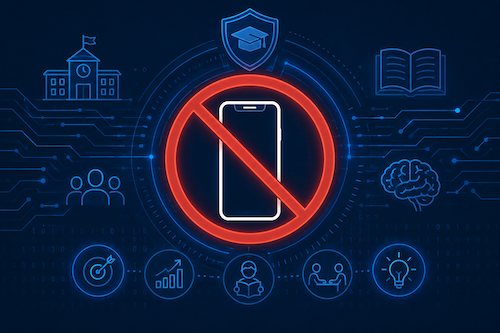
Schools nationwide are moving beyond simple cell phone bans toward nuanced policies that balance device access with classroom focus.
The debate centers on a practical reality: complete prohibitions often prove unenforceable and ignore legitimate reasons students need phones, from medical alerts to emergency communication. Instead, districts are adopting tiered approaches that restrict phone use during instruction while preserving access when appropriate.
Several models have emerged. Some schools implement phone storage systems, allowing students to retain devices but keep them secured during class periods. Others create designated phone-free zones limited to instructional time, permitting use during lunch, passing periods, and before or after school. A third approach involves classroom management protocols where teachers establish clear expectations rather than relying on district-wide mandates.
The reasoning behind this shift reflects research on distraction and learning. Studies show phones disrupt focus during instruction, but confiscation policies create enforcement challenges and safety concerns. Parents express valid anxieties about emergency access. Schools recognize these competing needs cannot be resolved through blanket rules.
Districts like some in California and Massachusetts have piloted phone-secure lockers or "phone parking" systems where students deposit devices at classroom entry. Reports from these schools indicate improved class participation without wholesale phone elimination. Teachers report fewer disruptions, and students maintain emergency contact capability.
Implementation requires clear communication. Policies must specify when and where phones remain accessible, consequences for violations, and how exceptions for medical or accessibility needs function. Training teachers on consistent enforcement prevents selective application.
The shift reflects evolving school culture. Rather than viewing phones as inherent threats, districts now treat them as tools requiring contextual boundaries. This acknowledges that teenagers will carry devices and frames the challenge as teaching responsible use within learning environments.
Schools continue refining these approaches based on what works with their specific student populations and resources. The goal remains unchanged: minimize classroom distraction while respecting student safety and practical needs.