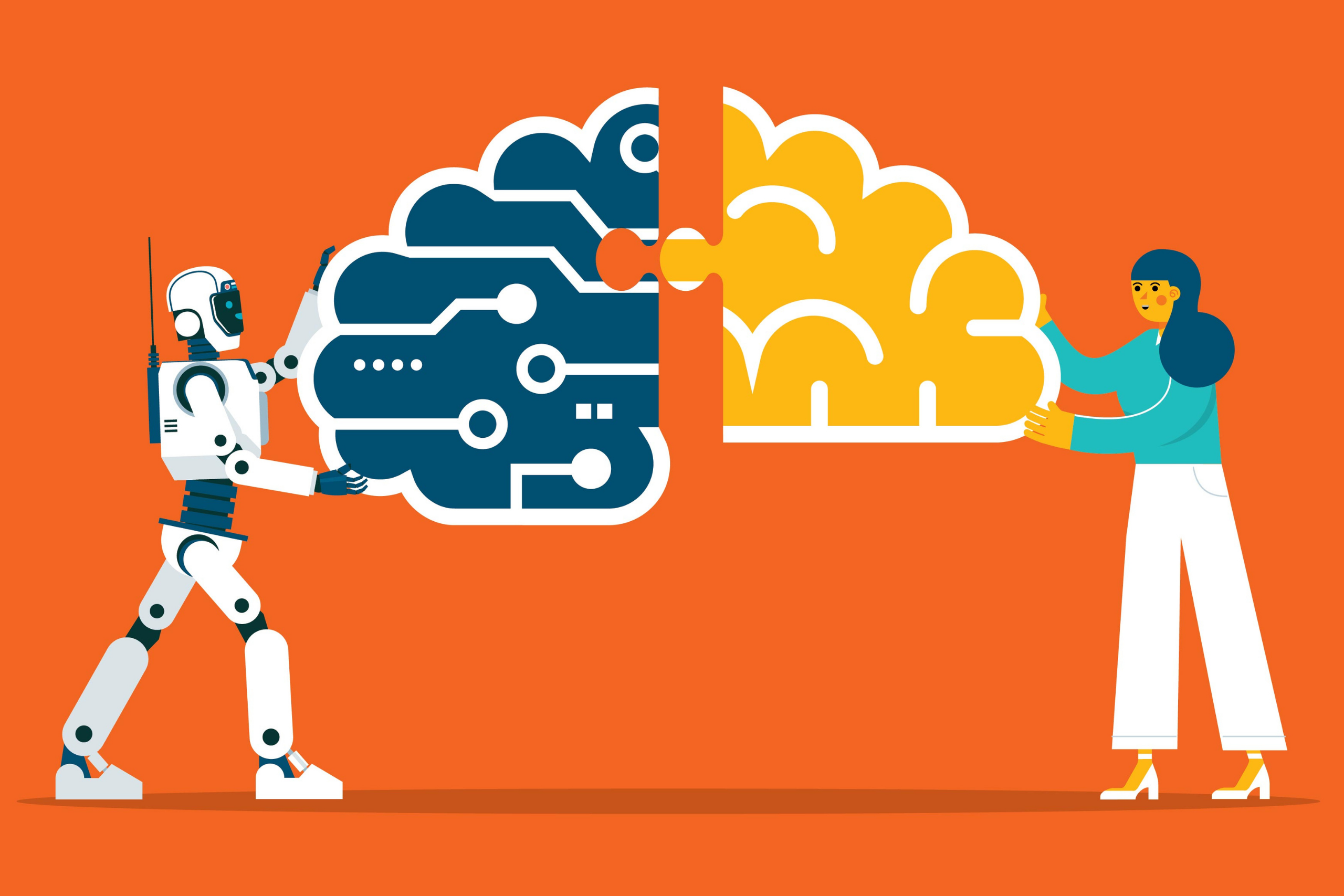
A faculty member discovered unexpected pedagogical value by reversing roles with artificial intelligence during the grading process. The educator began giving feedback on AI-generated comments rather than solely relying on the technology to evaluate student work.
The experiment emerged from a familiar problem. The instructor faced a stack of papers requiring individualized feedback while noticing repeated errors, particularly in APA formatting. Instead of manually addressing each instance, the faculty member used AI to generate initial responses, then critiqued and refined those suggestions before sharing feedback with students.
This role reversal produced several teaching insights. By evaluating AI-generated comments, the instructor became more intentional about what constitutes effective feedback. The process forced explicit articulation of expectations around tone, specificity, and pedagogical purpose. Rather than outsourcing grading, the educator used AI as a draft generator and then modeled the revision process itself.
The approach also revealed gaps in how instructors typically communicate with students. When the faculty member rewrote AI suggestions, students saw concrete examples of feedback quality and revision. This transparency mirrors effective writing instruction, where teachers show students how to critique and improve ideas.
The strategy carries practical benefits for overloaded instructors. Time spent refining AI suggestions proved less taxing than grading entire papers from scratch, particularly for repetitive issues like citation formatting. Yet the method preserved the human element essential to meaningful assessment. The instructor remained the final decision-maker on all feedback, ensuring comments reflected institutional standards and individual student needs.
Faculty Focus, which published this reflection, positions the work within growing conversations about technology integration in higher education. The piece suggests AI tools function best not as replacements for faculty judgment but as collaborative partners that handle drafting work while instructors focus on refinement and decision-making.
The experience points toward a hybrid model for grading. Rather than viewing AI as either solution or threat, educators can establish workflows where technology handles initial processing while faculty retain