# Media Accountability and Australian Political Leadership
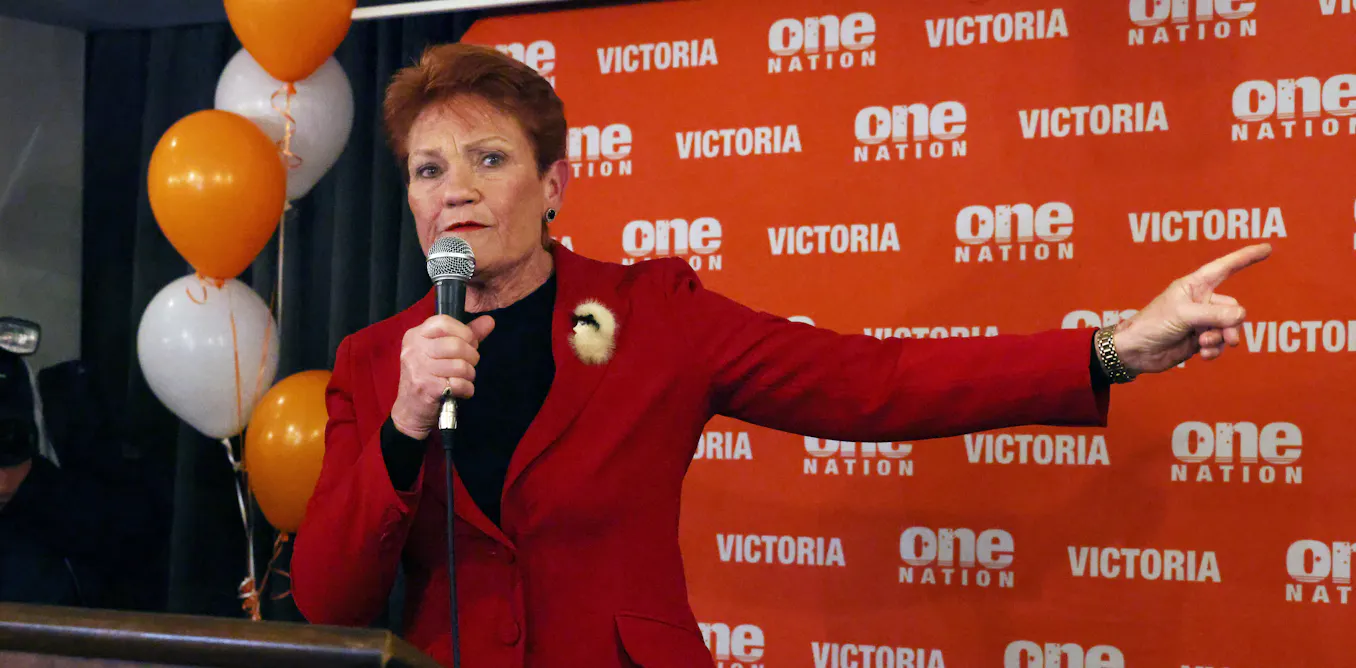
Australian political coverage is failing to adequately scrutinize Pauline Hanson's leadership and conduct, according to analysis from The Conversation. The media's reluctance to center her controversial attitudes and behavior as a primary issue has allowed her influence to expand unchecked.
Hanson leads One Nation, a populist party that has shaped national debate on immigration, multiculturalism, and social policy. Her public statements and legislative positions have drawn criticism from educators, civil rights advocates, and policy researchers who argue her platform undermines inclusive schooling and evidence-based policymaking.
The analysis highlights a recurring pattern: journalists report Hanson's statements and policy proposals within standard news frameworks, but rarely establish her conduct as itself the story. This distinction matters for educators and parents. When media outlets treat inflammatory claims as routine political positions rather than problematic departures from democratic norms, they normalize rhetoric that affects school communities, curriculum decisions, and the social environment students encounter daily.
The piece argues the media possess both the institutional capacity and ethical obligation to establish accountability standards. By failing to consistently highlight when political leaders violate democratic conventions or make unfounded claims, news organizations effectively reset the baseline of acceptable political behavior downward.
This dynamic has particular relevance for education policy. Teachers report experiencing pressure to avoid discussing contentious topics, and school administrators face community complaints rooted in rhetoric amplified without critical context. Parents wonder whether their children's schools will reflect evidence-based curricula or whether political pressure will reshape educational priorities.
The argument extends beyond individual news cycles. Repeated failure to maintain rigorous accountability standards creates a ratchet effect. Each instance of unchallenged rhetoric becomes precedent for the next, gradually shifting what political actors believe they can say without consequence.
The Conversation's analysis stops short of prescribing specific media reforms, but the implication runs clear: sustained, substant