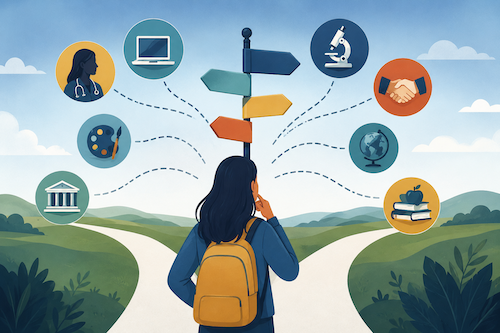
# The Hidden Curriculum Gap
High school seniors graduate unprepared for life after graduation, according to research from YouScience. A post-graduation readiness report reveals that most graduating seniors lack essential skills and knowledge needed for their first steps beyond high school.
The gap exists despite years of classroom instruction. Students leave high school without clear understanding of their strengths, career options, or decision-making frameworks for major life choices. This disconnect between what schools teach and what students need creates real consequences for college enrollment, job placement, and long-term success.
Career and Technical Education (CTE) programs offer one pathway to bridge this divide. When aligned with decision education, CTE teaches students not just job-specific skills but also how to evaluate their own interests and abilities. This combination prepares students for immediate post-graduation transitions while building broader decision-making competencies that apply to every future choice, from career changes to personal finance to further education.
The hidden curriculum gap exposes a structural problem in American secondary education. Traditional academic tracks focus on content knowledge and test preparation. Practical preparation for adulthood often gets treated as optional or relegated to specialized programs. Yet students need both academic foundations and explicit instruction in evaluating themselves, weighing options, and making informed decisions.
Schools in some districts have begun integrating decision education into CTE curricula, helping students identify aptitudes through assessments and real-world exploration. This approach moves beyond generic career exploration toward personalized pathways that account for individual strengths and interests.
The YouScience findings underscore what employers and college admissions officers report consistently: graduates lack self-awareness and decision-making skills. Addressing this gap requires schools to treat post-graduation readiness as a core educational outcome, not an afterthought. Aligning CTE with decision education represents a concrete strategy to close the distance between high school graduation and genuine readiness for what comes next.
CATEGORY