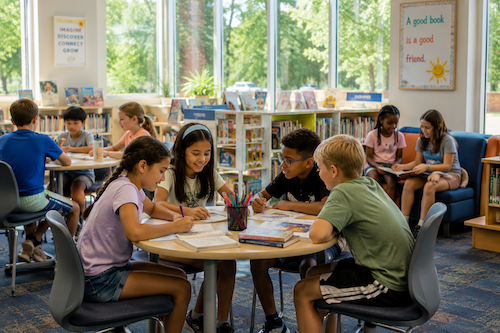
Summer learning loss affects millions of American students each year, with low-income children facing the steepest consequences. Research spanning 35 years shows that students lose an average of one to three months of academic progress during the summer break, with reading skills declining most sharply. The gap widens when families lack access to structured learning opportunities.
Schools and districts across the country are treating summer as a deliberate instructional strategy rather than simply a calendar break. Effective programs combine literacy instruction, enrichment activities, and community partnerships to keep students engaged during the off-season. Districts investing in summer initiatives report measurable gains in reading fluency, math skills, and attendance rates when students return in fall.
The research identifies three core components of successful summer programs. First, literacy instruction remains the priority, with evidence showing consistent reading practice prevents regression. Second, low-cost or free programs remove barriers for families who cannot afford private tutoring or camps. Third, programs that build partnerships with libraries, community organizations, and families create sustainable networks rather than relying on school resources alone.
Some districts have expanded virtual summer offerings alongside in-person sessions, broadening access for students in rural areas or those with transportation challenges. Programs that include meals and transportation services see higher participation rates, particularly among economically disadvantaged families.
The stakes are concrete. Students who participate in quality summer learning programs maintain grade-level skills, experience higher engagement in fall, and show improved long-term academic trajectories. Schools that treat summer strategically rather than reactively reduce the learning loss that compounds over time and widens achievement gaps.
Districts like those in North Carolina, Georgia, and California have documented success using data-driven targeting to identify students most at risk of summer regression. These schools allocate resources to intensive reading support and hands-on learning rather than traditional worksheets.
Summer learning strategy matters because it directly addresses systemic inequality. When some students access enrichment while others lose ground