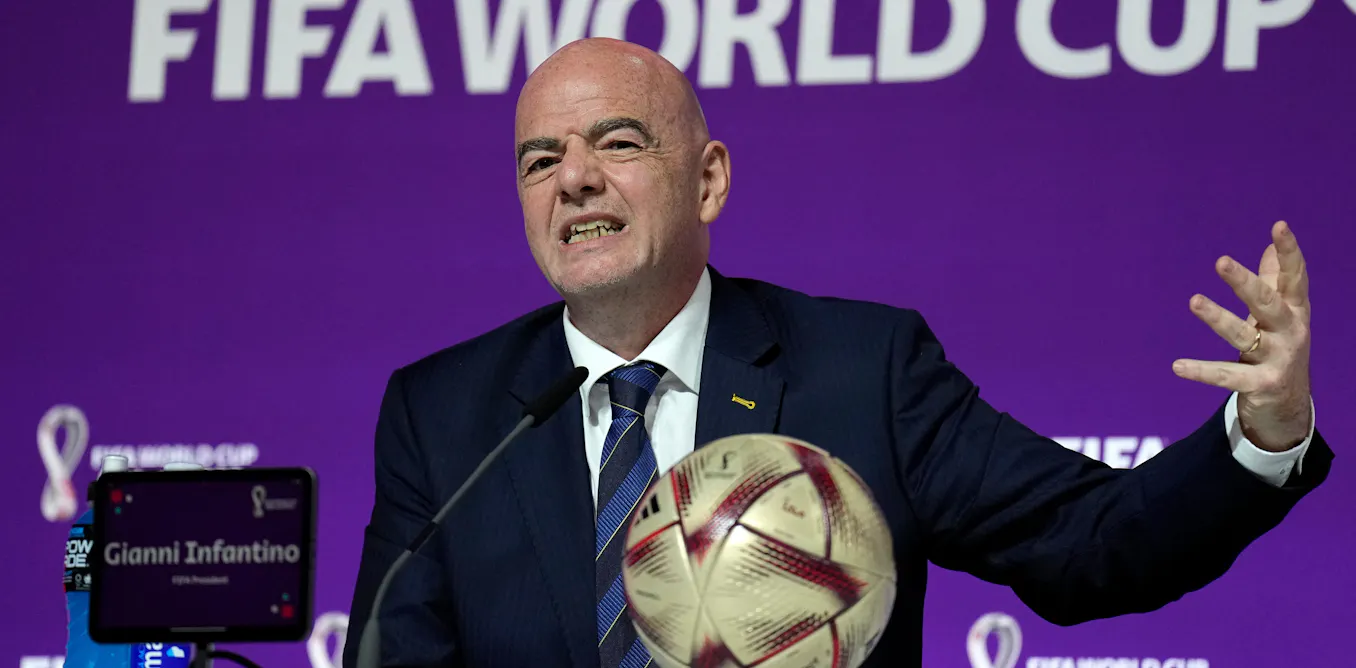
FIFA President Gianni Infantino faces mounting pressure from leading soccer nations demanding governance reforms at the sport's global governing body. The controversies center on questions of transparency, financial accountability, and decision-making processes that critics say lack democratic oversight.
Major soccer federations, including those from Europe and South America, have raised concerns about how FIFA allocates resources, awards hosting rights for major tournaments, and manages commercial contracts. These nations argue that Infantino's administration has consolidated too much executive power without sufficient checks from member federations.
The disputes reflect deeper structural problems within FIFA. The organization operates as a private entity controlled by member associations, yet its decisions affect billions in global revenue and shape international soccer policy. Member federations have limited ability to challenge executive decisions or access detailed financial records.
Leading nations are now pushing for concrete changes: expanding the role of independent oversight bodies, implementing stricter financial reporting requirements, and restructuring the committees that approve major decisions like World Cup hosting arrangements.
The timing matters. FIFA faces pressure exactly as it prepares for the 2026 World Cup in the United States, Mexico, and Canada, and confronts ongoing questions about how it managed the 2022 Qatar tournament and its environmental and labor practices.
Infantino, who has led FIFA since 2016, has implemented some reforms following previous scandals. However, critics say these measures remain insufficient. The organization still operates with limited transparency compared to other international sports bodies.
The outcome remains unclear. FIFA's governance structure means that Infantino cannot be removed without support from a significant portion of member federations. Many smaller nations have depended on FIFA development funds and may hesitate to challenge the president. Yet the coalition of major soccer powers pushing for change possesses enough collective influence to force concessions.
This conflict represents a broader reckoning with FIFA's authority. As soccer's commercial importance grows and national interests diverge, governing soccer globally becomes increasingly