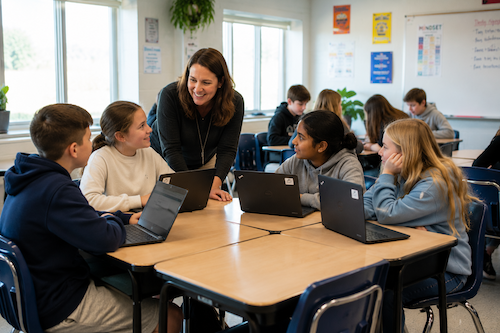
Student learning outcomes depend on consistent practices and clear communication across classrooms and grade levels, according to educators tracking outcomes in school districts.
A student's experience varies dramatically from one classroom to the next. One teacher may recognize a student's strengths and offer encouragement. Another may overlook that same student's potential. These shifts happen daily, not just between school years, creating fragmented learning environments that work against achievement.
Districts that establish consistent instructional frameworks and communication protocols see better results. When teachers align on expectations, assessment methods, and feedback practices, students benefit from continuity. They understand what success looks like. They know how to improve. They receive similar standards of support across different subjects and grade levels.
Communication gaps compound the problem. When teachers don't share information about student progress, strengths, and struggles, each educator starts from scratch. A student who thrived with one approach may face entirely different expectations in the next classroom. Parents stay confused about where their child actually stands academically.
The research points to concrete solutions. Districts benefit from establishing common assessment tools that track student progress consistently. Regular professional development helps teachers understand shared learning goals. Data systems that let teachers access reliable information about each student's background and performance reduce duplication and wasted time.
Parent communication also matters. When schools send consistent messages home about what students are learning and how families can support that learning, engagement increases. Inconsistent or unclear communication leaves parents guessing about their role.
Implementing these systems requires intentional leadership and time. School leaders must prioritize alignment during planning sessions. Teachers need protected time to collaborate and examine student work together. Technology systems must function reliably so information flows between classrooms.
Districts that treat consistency and communication as foundational rather than optional see measurable gains. Students report feeling more supported. Teachers report more confidence in their instruction. Achievement gaps narrow when all students encounter predictable, high expectations across their school day.
The path forward