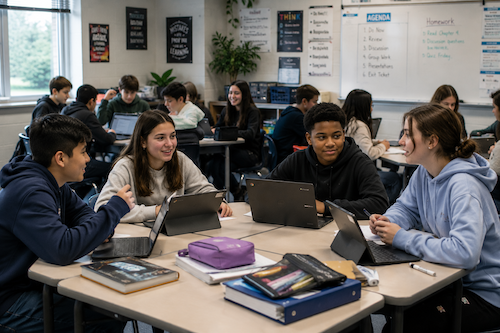
Schools must give students greater control over their learning while making educational data transparent and accessible, advocates argue. The push centers on shifting from traditional metrics like letter grades and standardized test scores to a fuller picture of student development.
Student agency means giving learners meaningful choices in how, what, and when they learn. Research shows this approach strengthens growth mindset and helps students transfer classroom knowledge into real-world skills. When students shape their educational path, engagement increases and learning becomes more relevant to their lives and goals.
Data accessibility forms the second pillar. Schools collect extensive information on student performance, progress, and needs, yet much remains hidden behind administrative walls. Parents and students often cannot easily access their own data or understand how schools use it to make decisions. Transparent data systems allow families to track progress, identify gaps, and advocate for appropriate support.
The combination matters. Accessible data helps students understand their strengths and weaknesses. That self-knowledge, paired with genuine agency in learning, enables students to set meaningful goals and pursue them with purpose. A student who sees their writing scores and chooses to focus on that skill through project-based learning develops ownership of improvement.
Implementation requires systemic changes. Schools need accessible digital platforms where students and families view their data. Teachers need professional development to facilitate student choice while maintaining rigor and accountability. Policies must protect student privacy while promoting transparency.
Some districts have begun pilot programs. These efforts show promise but remain limited. The challenge extends beyond technology. It requires cultural shift in how educators view students, from passive recipients of instruction to active architects of learning.
Student agency and data transparency address a fundamental question in education: Who owns the learning process? When students gain visibility into their progress and authority over their path, schools move closer to personalizing education rather than standardizing it.