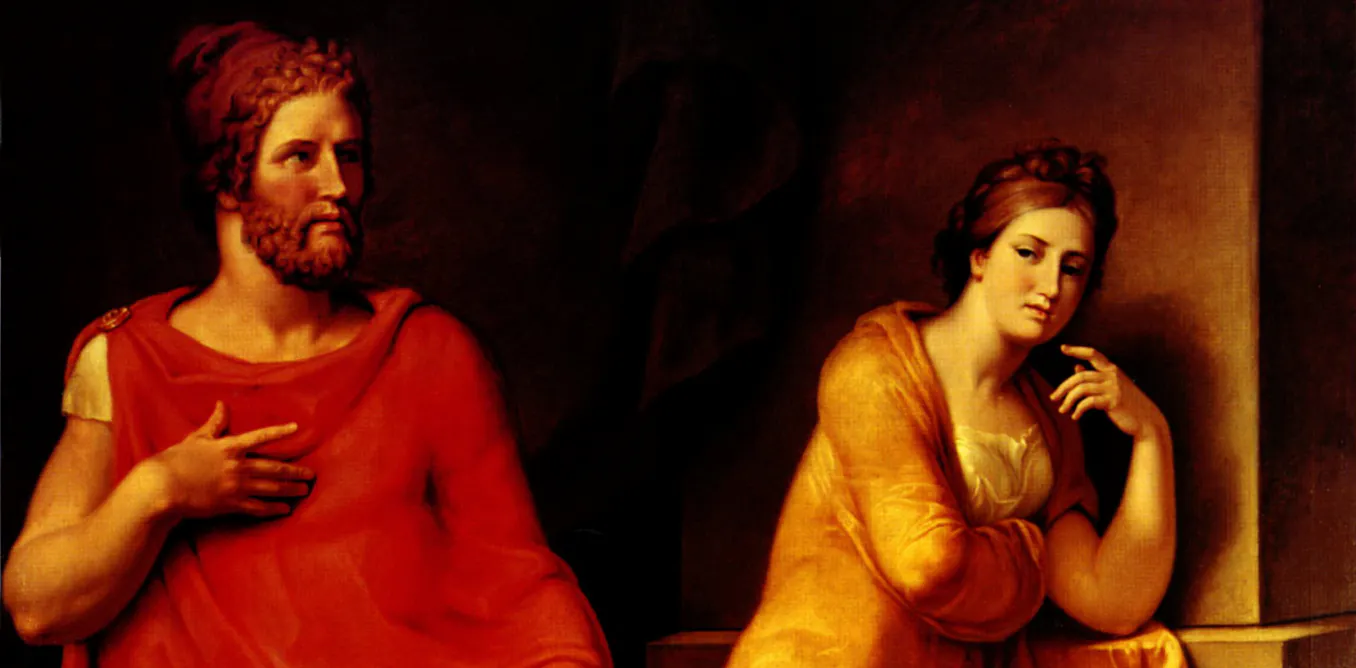
Christopher Nolan's film adaptation of Homer's "Odyssey" has drawn criticism for flattening the narrative's female characters, particularly Nausicaa, the Phaeacian princess who plays a pivotal role in the ancient epic.
In Homer's original text, Nausicaa emerges as far more than a minor character. She discovers the shipwrecked Odysseus on a beach and makes the bold decision to help him reach her father's court, knowing this act carries social risk. Her agency drives the plot forward. She speaks her mind to her father King Alcinous, challenges convention, and directly influences whether Odysseus receives safe passage home to Ithaca. Her character embodies intelligence, compassion, and independence that resonate across centuries.
Nolan's film significantly reduces Nausicaa's role and screen time, condensing her narrative arc to background support rather than active protagonist. The adaptation prioritizes action sequences and Odysseus's journey over the complex relationships and moral choices that distinguish Homer's work. This choice erases what classicists and literature scholars recognize as one of ancient literature's earliest portrayals of a capable, decision-making female character.
The criticism reflects a broader pattern in modern film adaptations that simplify female characters from source material. While male heroes receive layered development and multiple scenes showcasing their agency, female characters often lose depth in translation to screen. Nausicaa's diminishment in Nolan's version echoes this pattern, converting a character known for boldness into scenery.
For educators and students, the gap between Homer's Nausicaa and Nolan's version raises important questions about adaptation choices. What gets lost when storytellers streamline female characters? How do film adaptations shape our understanding of classic literature? These questions matter especially in classrooms where students first encounter Homer's epics.
Understanding who Nausic