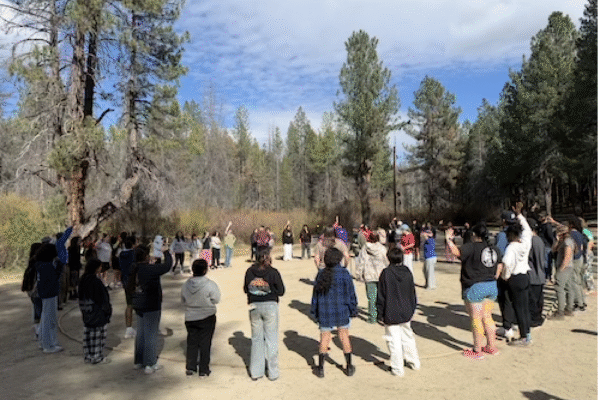
Outdoor education delivers measurable academic gains alongside mental health benefits for students, according to research cited by eSchool News.
Studies show that learning outside the classroom improves performance in science, reading, and math. Beyond test scores, outdoor instruction boosts student motivation, emotional well-being, and overall engagement with school.
The evidence reflects a broader shift in education practice. Schools increasingly recognize that nature-based learning activates different cognitive pathways than traditional indoor classrooms. Students in outdoor settings often demonstrate deeper comprehension of ecological concepts because they observe living systems firsthand. A student studying photosynthesis can watch it happen on a leaf rather than only reading about it in a textbook.
The benefits extend beyond academics. Time outdoors reduces stress and anxiety in young people, who face rising rates of mental health challenges. Outdoor classrooms provide sensory stimulation and physical movement that indoor spaces cannot replicate. Students develop attention spans and focus through nature-based activities.
Implementation varies widely. Some schools dedicate specific periods to outdoor learning, rotating subjects between indoor and outdoor settings. Others embed outdoor instruction into science curricula. A growing number of districts employ outdoor educators or partner with environmental organizations to lead field-based lessons.
Barriers remain substantial. Teachers report concerns about liability, weather disruptions, and insufficient training in outdoor pedagogy. Urban schools face space constraints. Budget cuts limit transportation to field sites.
Yet the case for outdoor education strengthens as districts seek holistic approaches to student development. Nature's classroom addresses learning gaps that traditional settings may leave open. Schools that prioritize outdoor time invest in both academic achievement and student wellness.
The research suggests outdoor education deserves more than an afterthought in curriculum design. It represents a proven strategy to deepen learning while supporting the mental health needs of contemporary students.