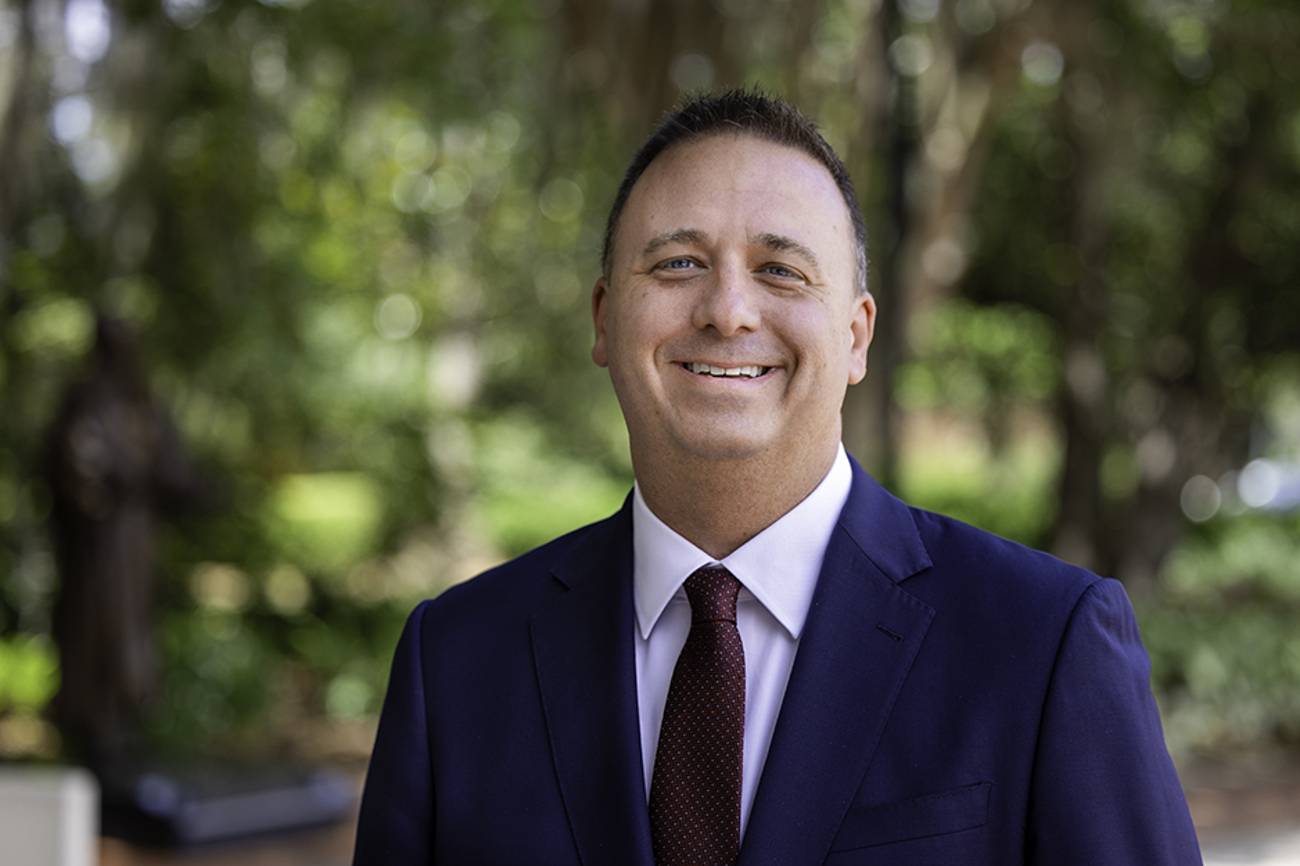
Florida State University appointed Jonathan Fozard as chief information officer, a role responsible for overseeing the institution's technology infrastructure, systems, and digital strategy. Fozard brings over 20 years of experience in higher education technology leadership.
The CIO position sits at the center of campus operations. The role manages everything from student information systems and learning management platforms to cybersecurity, data governance, and IT support services. At a university the size of FSU, the CIO directs budgets in the tens of millions of dollars and leads teams across multiple departments.
Fozard's lengthy background in university technology environments positions him to address FSU's current tech priorities. Higher education institutions nationwide face mounting pressure to modernize aging systems, strengthen cybersecurity defenses against rising ransomware threats, and integrate artificial intelligence tools into academic and administrative workflows. Florida's largest universities also contend with specific state directives around data transparency and education technology oversight.
The appointment reflects FSU's commitment to digital transformation at a time when university technology leaders face competing demands. They must balance student experience improvements, faculty research support, operational efficiency, and budget constraints. The role carries particular weight in flagship state universities, where technology decisions affect thousands of students and hundreds of millions in research activity.
FSU has not disclosed specific initiatives Fozard will prioritize, but university CIOs typically focus on cloud migration, modernizing student-facing portals, expanding remote learning infrastructure, and building institutional resilience against cyber threats. His experience across multiple universities suggests familiarity with best practices and industry standards that inform technology governance.
The hire comes as universities nationwide increasingly view the CIO as a strategic partner to academic leadership rather than solely an infrastructure manager. Fozard's two-decade tenure in higher education likely equipped him with understanding of how technology decisions intersect with enrollment, retention, research competitiveness, and student success metrics.
CATEGORY