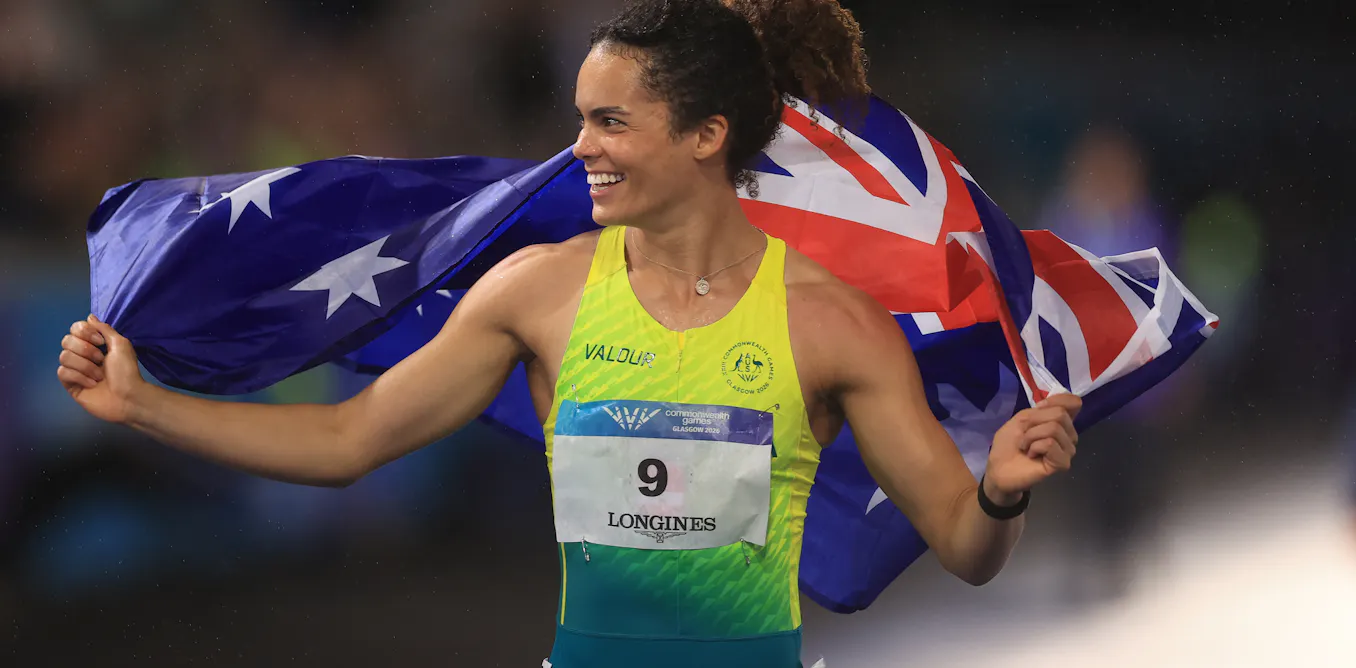
Australia's track and field program is entering a new era after exceptional performances at the Commonwealth Games highlighted a growing pipeline of elite athletes in running, jumping, and throwing events.
Historically, Australian sports have dominated in swimming and team sports like rugby league and Australian rules football. Track and field lagged behind. Recent Commonwealth Games results demonstrate this is shifting. Young Australian distance runners, sprinters, and field event competitors are now matching international standards at ages when previous generations trailed significantly.
Several factors explain the turnaround. Investment in athlete development pathways has increased through state and federal sports agencies. Better coaching infrastructure means young talents train alongside established competitors rather than in isolation. Access to world-class facilities in major cities like Melbourne, Sydney, and Brisbane has improved training conditions. International competition exposure through junior championships gives emerging athletes experience against global peers earlier in their careers.
The Commonwealth Games serve as both proving ground and launching pad. Athletes who performed well in Melbourne gained confidence and visibility that attracts sponsorship and media attention. This momentum attracts younger participants into the sport, creating a virtuous cycle. Success breeds participation, which breeds more success.
This shift matters beyond Olympic medal counts. Strong track and field programs produce athletes who inspire participation in running clubs, school athletics programs, and community sports. They provide employment pathways for coaches, physiotherapists, and sports scientists. They demonstrate to young Australians that distance running and field events offer viable competitive careers.
The timing aligns with upcoming international competitions. Olympic trials and World Championships in coming years will test whether this Commonwealth Games success represents genuine progress or temporary peaks. The evidence so far suggests Australian track and field has developed genuine depth in multiple events rather than relying on one or two standout performers.
Sustaining this requires continued investment in coaching development, facility maintenance, and athlete support programs. Competition funding remains tight across many sports. Whether Australia's government and sports bodies maintain focus on athletics alongside traditional strengths