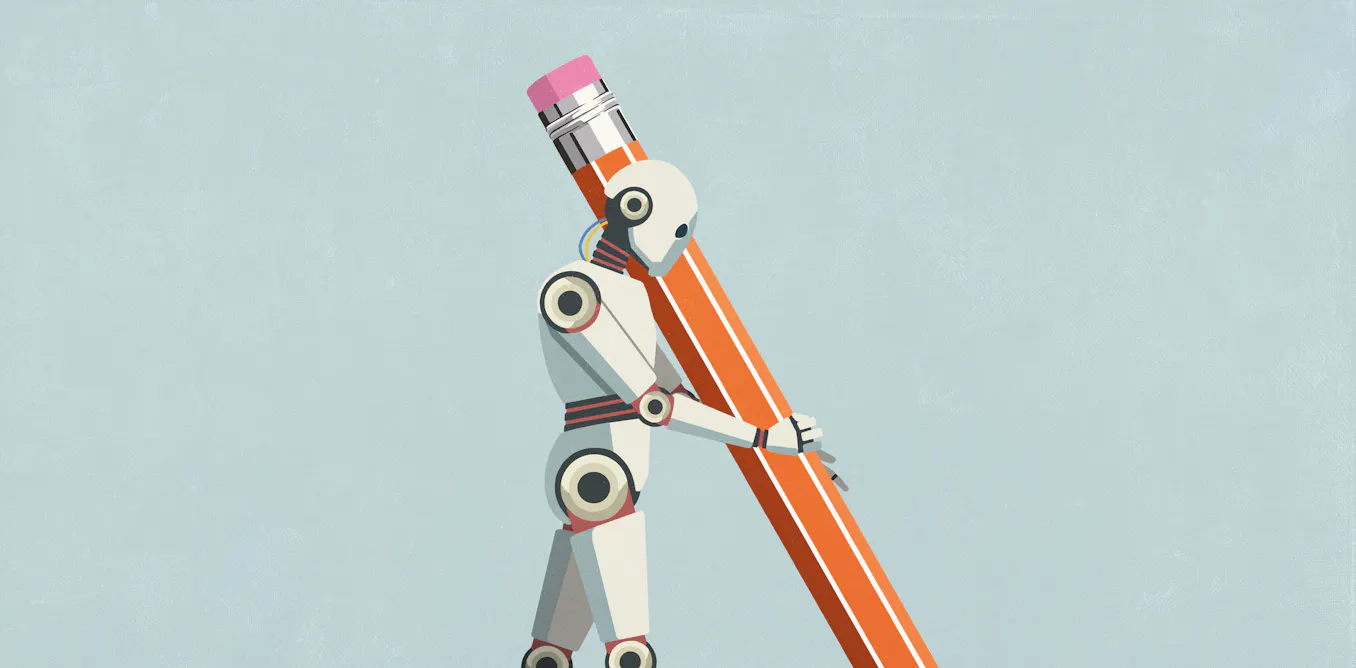
A school district in rural New York made international headlines after announcing plans to deploy a humanoid robot named Sally into high school classrooms as a teaching assistant.
The robot represents an emerging trend in education technology where districts explore automation to address staffing shortages and support instruction. Sally functions as a classroom aide rather than a replacement teacher, handling routine tasks like attendance, distributing materials, and leading structured review sessions. The robot operates through programmed responses and preset lesson content, allowing teachers to focus on direct instruction and student engagement.
Rural districts face particular pressure to adopt such solutions. Many struggle to recruit and retain qualified staff, especially in specialized subjects and support roles. Introducing robotic assistants could free educators to concentrate on higher-level teaching while automating lower-level administrative work.
The New York initiative sparked debate about technology's role in schools. Supporters argue that robots can supplement stretched teaching staff and provide consistent, patient interaction for students who need extra support. Critics raise concerns about student socialization, the warmth of human connection in learning environments, and the cost of implementation compared to hiring additional human staff.
Education experts note that robots work best as supplements, not replacements. Research on classroom technology adoption shows that student engagement depends heavily on how tools integrate into existing instruction and classroom culture. A robot's effectiveness depends on teacher training, thoughtful implementation, and clear learning objectives.
The New York project reflects broader questions schools face: How do districts use technology strategically when budgets are tight? How can automation address real staffing gaps without compromising the human elements essential to education? Sally serves as a test case for balancing innovation with educational priorities.
The outcome of this pilot program will likely influence similar districts considering robotic aids. Success depends on measurable impacts on student learning, staff satisfaction, and implementation costs compared to traditional hiring solutions.